Quy trình từ bản vẽ đến mẫu được duyệt: đánh giá DFM, kiểm tra sản phẩm đầu tiên, các bước phê duyệt, kế hoạch kiểm soát giúp ngăn ngừa việc làm lại. BQUQ báo giá trong 12 giờ.
Từ Bản Vẽ đến Mẫu Được Duyệt: Quy Trình Ngăn Ngừa Việc Làm Lại
Quy trình ngăn ngừa việc làm lại có năm bước: rà soát bản vẽ, phản hồi DFM, kiểm tra sản phẩm đầu tiên, phê duyệt mẫu và kế hoạch kiểm soát được ký duyệt trước khi bắt đầu sản xuất. Mỗi bước có một sản phẩm bàn giao và một chủ sở hữu được xác định. Bỏ qua bất kỳ bước nào, chi phí không biến mất — nó chuyển xuống phía sau, nơi nó nhân lên: một vấn đề dung sai được phát hiện khi rà soát bản vẽ chỉ tốn một email; vấn đề tương tự được phát hiện sau 5.000 chi tiết sẽ tốn cả một thùng phế liệu.
Phê duyệt mẫu thử và mẫu là nơi các hệ thống chất lượng thực sự được thắng hoặc thua. Kiểm tra sản xuất phát hiện lỗi; quy trình phê duyệt ngăn ngừa chúng. Hướng dẫn này trình bày cấu trúc các bước, nội dung mỗi sản phẩm bàn giao phải có và các quy tắc phê duyệt giúp ngăn chặn các mẫu không rõ ràng trở thành các lô hàng không rõ ràng.
Bước 1: Rà Soát Bản Vẽ Trước Khi Cắt Bất Cứ Thứ Gì
Quy trình bắt đầu trước khi phoi đầu tiên được tạo ra. Nhà máy rà soát bản vẽ dựa trên năng lực quy trình của mình và trả về xác nhận hoặc danh sách các câu hỏi. Sản phẩm bàn giao là một bản rà soát bản vẽ bằng văn bản: vật liệu được xác nhận, dung sai được xác nhận theo từng quy trình và các cờ về bất cứ điều gì còn thiếu, không rõ ràng hoặc quá chặt không cần thiết.
| Yếu tố bản vẽ | Nội dung rà soát xác nhận |
|---|---|
| Mác và trạng thái nhiệt luyện vật liệu | Có sẵn, có báo giá, có thể lấy chứng nhận |
| Ghi chú dung sai | Đạt được trong quy trình chỉ định với chi phí sản xuất |
| Chuẩn và khung GD&T | Rõ ràng và đo lường được (xem hướng dẫn GD&T của chúng tôi) |
| Độ nhám bề mặt và điều kiện cạnh | Được xác định, kiểm tra được, có mẫu chuẩn nếu là yêu cầu thẩm mỹ |
| Ren và lỗ | Tiêu chuẩn hoặc tùy chỉnh; kích thước lỗ khoan ren được xác nhận |
| Thiếu kích thước hoặc ghi chú | Được đánh dấu cho khách hàng trước khi báo giá |
Một nhà máy trả về bản rà soát bản vẽ kèm câu hỏi là đang làm đúng việc của mình. Một nhà máy báo giá ngay lập tức mà không có câu hỏi nào có nghĩa là họ đã thấy loại chi tiết của bạn hàng nghìn lần — điều có thể xảy ra — hoặc họ chưa thực sự đọc bản vẽ, điều mà lô hàng đầu tiên sẽ cho thấy một cách tốn kém. Hướng dẫn của chúng tôi về giao tiếp kỹ thuật với các nhà máy Trung Quốc trình bày các câu hỏi bản vẽ tốt trông như thế nào.
Bước 2: Phản Hồi DFM — Chi Phí và Rủi Ro Trước Khi Cam Kết
Phản hồi Thiết kế cho Khả năng Sản xuất (DFM) là phiên bản thực tế của việc rà soát bản vẽ: các đề xuất cụ thể giúp giảm chi phí hoặc rủi ro mà không thay đổi chức năng. Không phải mọi đề xuất đều phải được chấp nhận, nhưng mọi đề xuất nên được trả lời bằng văn bản, vì sự im lặng là cách hiểu lầm trở thành việc làm lại.
| Điểm DFM điển hình | Ví dụ | Tiết kiệm điển hình |
|---|---|---|
| Nới lỏng dung sai thẩm mỹ | ±0.05 mm trên bề mặt chỉ nhìn thấy → ±0.1 mm | Chu kỳ nhanh hơn, ít phế phẩm hơn |
| Thêm chuẩn hoặc tham chiếu | Một chuẩn cạnh thay vì kích thước thả nổi | Kiểm tra nhất quán, ít tranh cãi hơn |
| Tiêu chuẩn hóa lỗ/ren | M2.3 tùy chỉnh → M2.5 tiêu chuẩn | Dụng cụ tiêu chuẩn, giao hàng nhanh hơn |
| Điều chỉnh mác vật liệu | 316 trong khi 304 là đủ | Chênh lệch chi phí vật liệu 15–30% |
| Thêm bán kính nhỏ cho dập | Góc trong sắc → bán kính 0.3 mm | Tuổi thọ khuôn, ít nứt khi tạo hình |
Bước 3: Kiểm Tra Sản Phẩm Đầu Tiên — Mẫu Đi Kèm Dữ Liệu
Một mẫu không có số đo chỉ là một món đồ lưu niệm. Sản phẩm đầu tiên (hoặc báo cáo kiểm tra sản phẩm đầu tiên, FAI/FAIR) là gói bằng chứng của mẫu: mọi kích thước trên bản vẽ được đo, với dụng cụ và kết quả được ghi lại, so với dung sai. Đối với các chi tiết đơn giản, điều này bao phủ tất cả các đặc điểm; đối với các chi tiết phức tạp, nó bao phủ các kích thước được nêu trên bản vẽ cộng với các đặc điểm quan trọng đã thỏa thuận.
| Yếu tố FAIR | Nội dung bắt buộc |
|---|---|
| Nhận dạng chi tiết | Bản sửa đổi bản vẽ, vật liệu, ngày sản xuất lô |
| Kết quả kích thước | Mọi đặc điểm đã thỏa thuận: danh nghĩa, thực tế, dung sai, đạt/không đạt |
| Tham chiếu dụng cụ đo | Dụng cụ nào đo đặc điểm nào (thước cặp, CMM, panme, máy chiếu) |
| Xác nhận vật liệu | Mác, tham chiếu chứng nhận nếu áp dụng |
| Tình trạng trực quan | Bề mặt, cạnh, tình trạng ba via theo tiêu chuẩn đã thỏa thuận |
| Các sai lệch | Bất kỳ đặc điểm nào ngoài dung sai, được liệt kê rõ ràng — không bao giờ giấu đi |
Hãy đọc dòng sai lệch trước tiên. Một báo cáo liệt kê một đặc điểm ngoài dung sai kèm lý do và câu hỏi ("vượt 0.02 mm trên chiều rộng rãnh — có chấp nhận được cho thử lắp ghép không?") là một nhà máy đang làm việc cùng bạn. Một báo cáo âm thầm đạt tất cả trên một chi tiết có đặc điểm khó đã biết hoặc là rất giỏi hoặc không đo lường gì cả.
Bước 4: Phê Duyệt Mẫu — Ký Duyệt Bằng Văn Bản, Không Phải Sự Im Lặng
Phê duyệt mẫu là một quyết định có chủ sở hữu. Khách hàng phê duyệt, phê duyệt có điều kiện hoặc từ chối — bằng văn bản, theo bản sửa đổi bản vẽ. Cái bẫy là sự im lặng: một mẫu không được phê duyệt trong hai tuần trong khi kế hoạch sản xuất vẫn tiến triển, sau đó là "thực ra, vị trí lỗ bị sai." Hãy phê duyệt nhanh hoặc chính thức gia hạn thời gian.
| Trạng thái phê duyệt | Ý nghĩa | Hành động cần thực hiện |
|---|---|---|
| Đã phê duyệt | Mẫu khớp với bản vẽ và mục đích chức năng | Ký duyệt bằng văn bản, cho phép sản xuất |
| Phê duyệt có điều kiện | Mẫu OK, cần các thay đổi được liệt kê | Các thay đổi được ghi vào bản sửa đổi tiếp theo, có ngày tháng |
| Từ chối | Mẫu không đáp ứng bản vẽ | Lý do bằng văn bản, chu kỳ mẫu hiệu chỉnh |
| Không phản hồi | Không phải là trạng thái phê duyệt | Nhà máy nên theo đuổi; người mua không bao giờ nên coi sự im lặng là phê duyệt |
Bước 5: Kế Hoạch Kiểm Soát — Điều Sản Xuất Phải Duy Trì
Bước cuối cùng chuyển đổi mẫu được phê duyệt thành hướng dẫn sản xuất. Kế hoạch kiểm soát nêu tên các đặc điểm quan trọng, dung sai của chúng, phương pháp và tần suất kiểm tra cho từng đặc điểm cũng như tài liệu lô hàng bắt buộc. Đây là hợp đồng giữa mẫu được phê duyệt và mọi lô hàng trong tương lai — đây là tài liệu làm cho báo cáo kiểm tra lô hàng có ý nghĩa thay vì chỉ mang tính trang trí.
| Yếu tố kế hoạch kiểm soát | Ví dụ mục nhập |
|---|---|
| Đặc điểm | Lỗ ổ đỡ Ø12.00 mm |
| Dung sai | +0.008 / −0.002 |
| Dụng cụ/phương pháp đo | Đồng hồ đo khí hoặc CMM, đã hiệu chuẩn |
| Tần suất | Chi tiết đầu tiên + mỗi 20 chi tiết |
| Ghi chép | Báo cáo kích thước cho mỗi lô |
| Phản ứng | Dừng và thông báo nếu ngoài dung sai |
Quy Trình Trong Thực Tế — và Điều Bạn Nên Mong Đợi từ Một Nhà Máy Nghiêm Túc
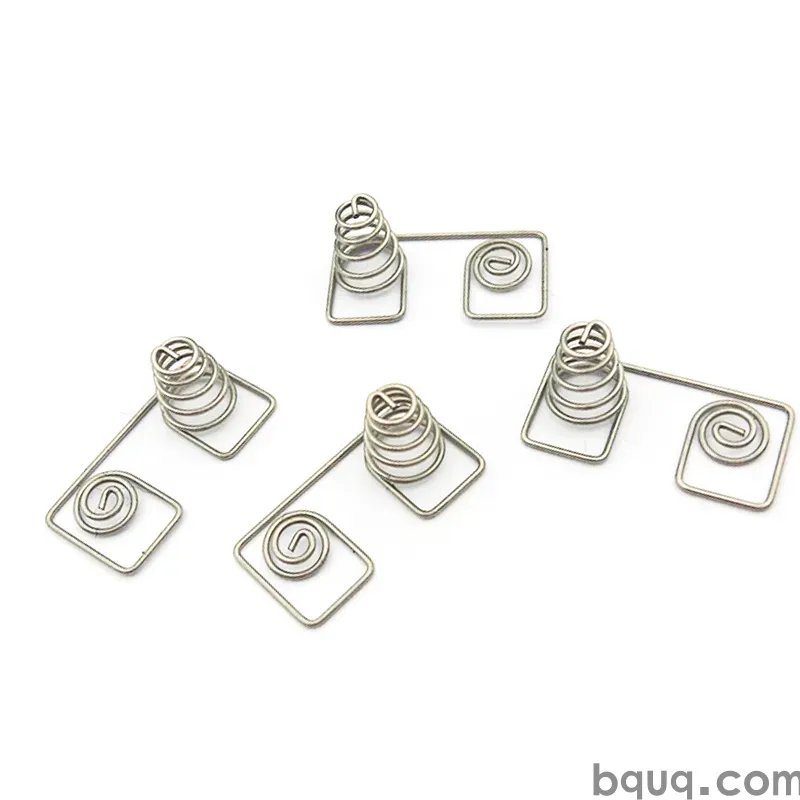
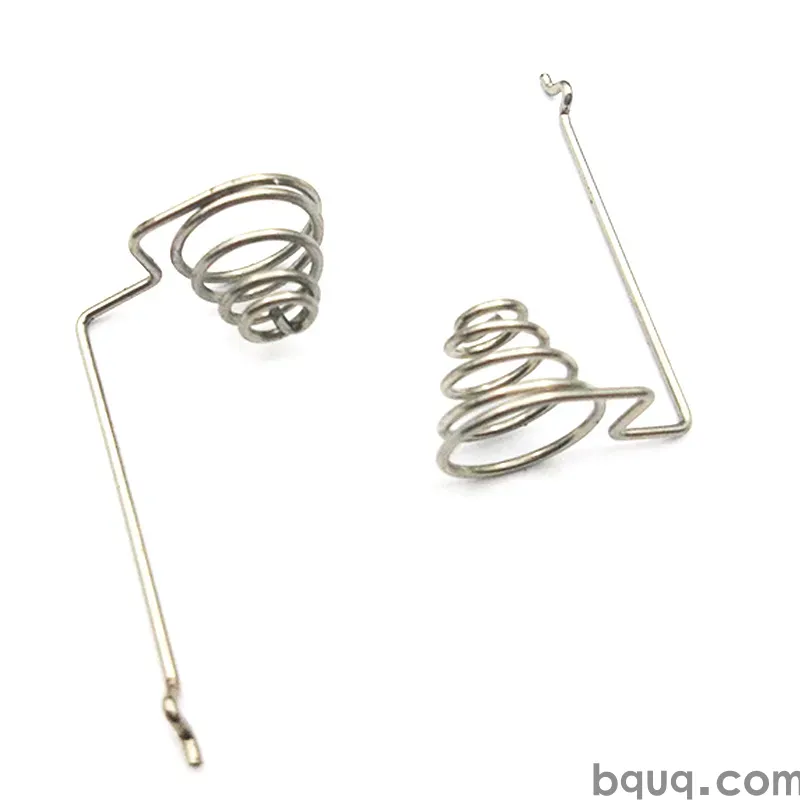
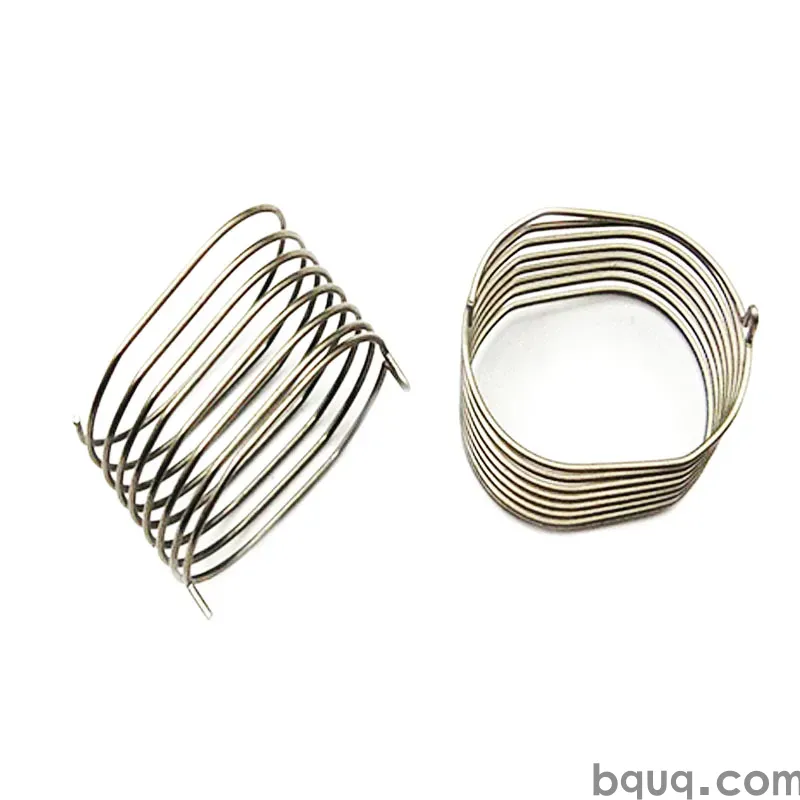
Áp dụng cho một đơn hàng thực tế, quy trình trông như thế này. BQUQ báo giá trong vòng 12 giờ làm việc sau khi nhận được bản vẽ (sc@bquq.com, WhatsApp +86 13713157787), và báo giá đi kèm với bản rà soát bản vẽ của chúng tôi — các câu hỏi và cờ được trả về bằng văn bản, trước khi bạn cam kết. Đối với một mẫu thử điển hình: rà soát bản vẽ và ghi chú DFM trong báo giá; mẫu được sản xuất kèm báo cáo sản phẩm đầu tiên liệt kê các giá trị đo được cho từng đặc điểm; mẫu và báo cáo được gửi cùng nhau, với FAIR bao phủ các kích thước quan trọng đã thỏa thuận và dụng cụ đã sử dụng (CMM cho các kích thước quan trọng gia công, kiểm tra tải trọng và độ đàn hồi trên dây chuyền lò xo tùy chỉnh của chúng tôi, kiểm tra kích thước trên chi tiết tiện CNC). Chúng tôi coi việc phê duyệt mẫu bằng văn bản là tín hiệu cho phép sản xuất và giữ kế hoạch kiểm soát cùng với hồ sơ đơn hàng để lô sản xuất đầu tiên khớp với mẫu đã được phê duyệt — không phải một cách hiểu mới hơn, chưa được phê duyệt về nó. Hồ sơ công ty của chúng tôi ghi lại hệ thống chất lượng ISO 9001 mà các bước này nằm trong đó; quy trình này cũng là quy trình chúng tôi khuyên bạn nên áp dụng với bất kỳ nhà máy nào, vì các bước này là thứ ngăn ngừa việc làm lại, và nhà máy chỉ là người thực hiện.
Câu Hỏi Thường Gặp
Hỏi: Tôi nên mong đợi bao nhiêu vòng mẫu trước khi phê duyệt?
Đối với một bản vẽ rõ ràng với các quy trình tiêu chuẩn, một vòng với các ghi chú điều kiện nhỏ là bình thường; hai vòng khi cần thay đổi DFM. Nếu một nhà máy cần ba vòng trở lên cho các chi tiết đơn giản, giao tiếp bản vẽ hoặc kiểm soát quy trình đang có vấn đề — hãy khắc phục trước khi sản xuất, không phải sau đó.
Hỏi: Tôi có nên phê duyệt một mẫu hơi ngoài dung sai không?
Chỉ bằng văn bản, như "phê duyệt có điều kiện", với sai lệch và sự chấp nhận của nó được ghi lại theo một bản sửa đổi cụ thể. Việc phê duyệt bằng miệng một mẫu ngoài dung sai sẽ trở thành tiền lệ ràng buộc cho mọi lô hàng trong tương lai ngay khi bạn phàn nàn.
Hỏi: Sự khác biệt giữa mẫu thử và sản phẩm đầu tiên là gì?
Mẫu thử chứng minh thiết kế có thể được chế tạo; kiểm tra sản phẩm đầu tiên chứng minh một phương pháp sản xuất cụ thể đáp ứng bản vẽ, với dữ liệu đo được. Việc cho phép sản xuất luôn phải dựa trên FAIR, không phải trên mẫu thử có thể được chế tạo bằng các phương pháp khác.
Hỏi: Ai nên viết kế hoạch kiểm soát — nhà máy hay người mua?
Nhà máy soạn thảo; người mua phê duyệt. Nhà máy biết quy trình và dụng cụ đo của mình; người mua biết đặc điểm nào quan trọng về mặt chức năng. Một kế hoạch kiểm soát được phê duyệt là một tài liệu chung và nên được coi là một phần của đơn hàng.
Hỏi: Làm thế nào để xử lý các thay đổi sau khi phê duyệt mẫu?
Bất kỳ thay đổi nào — vật liệu, dung sai, quy trình hoặc bản sửa đổi bản vẽ — sẽ khởi động lại các bước bị ảnh hưởng: rà soát bản vẽ cập nhật, FAIR mới khi các đặc điểm thay đổi và phê duyệt lại bằng văn bản. Đây không phải là quan liêu; đây là cách duy nhất để giữ mẫu được phê duyệt và chi tiết được giao hàng là cùng một đối tượng.
Được biên soạn bởi Đội ngũ Kỹ thuật BQUQ. BQUQ là nhà máy nguồn được chứng nhận ISO9001 tại Dongguan, Trung Quốc, vận hành các dây chuyền gia công CNC, dập kim loại, lò xo tùy chỉnh, tản nhiệt và collet dưới một mái nhà. Gửi bản vẽ đến sc@bquq.com hoặc WhatsApp +86 13713157787 để được báo giá trong vòng 12 giờ làm việc. www.bquq.com