Giao tiếp kỹ thuật với các nhà máy Trung Quốc: bộ hồ sơ bản vẽ, quy ước GD&T, kiểm soát phiên bản, phản hồi nhanh. Kỹ sư BQUQ trả lời bằng tên.
Làm Việc Với Nhà Máy Trung Quốc: Bản Vẽ, GD&T và Phản Hồi Kỹ Thuật Nhanh Chóng
Giao tiếp kỹ thuật với một nhà máy Trung Quốc hiệu quả khi bản vẽ đóng vai trò truyền đạt: một bộ hồ sơ hoàn chỉnh bao gồm mô hình 3D, bản vẽ 2D có kích thước với GD&T, thông số vật liệu, ghi chú bề mặt và kiểm soát phiên bản sẽ tạo ra phản hồi nhanh chóng và chính xác — trong khi một bản vẽ mơ hồ sẽ tạo ra những xác nhận mơ hồ mà chỉ thất bại sau này. Chất lượng của câu trả lời bạn nhận được được quyết định bởi chất lượng của câu hỏi mà bản vẽ của bạn đặt ra.
Khoảng cách và ngôn ngữ tạo thêm rào cản cho mỗi trao đổi, nhưng vấn đề cốt lõi hiếm khi là dịch thuật. Đó là sự mơ hồ. Các kỹ sư ở cả hai bên đọc cùng một bản vẽ; sự khác biệt là những gì bản vẽ không nói rõ. Hướng dẫn này đề cập đến bộ hồ sơ bản vẽ giúp loại bỏ sự mơ hồ, các quy ước GD&T vượt qua rào cản ngôn ngữ, và cách nhận được phản hồi kỹ thuật nhanh vì chúng chính xác.
Bộ Hồ Sơ Bản Vẽ Mang Lại Câu Trả Lời Thực Sự
Đội ngũ kỹ thuật của nhà máy chỉ có thể trả lời những gì bản vẽ cho họ biết. Một bộ hồ sơ yêu cầu báo giá hoàn chỉnh bao gồm bảy yếu tố — và mỗi yếu tố thiếu sót là một giả định thầm lặng sẽ xuất hiện như một bất ngờ ở sản phẩm đầu tiên.
| Yếu tố hồ sơ | Ngăn ngừa điều gì | Ghi chú |
|---|---|---|
| Mô hình 3D (STEP/IGES/X_T) | Hiểu sai hình học | Định dạng ưa thích để báo giá |
| Bản vẽ 2D có kích thước | Dung sai không được nêu rõ | PDF cùng định dạng gốc |
| Ghi chú GD&T | Yêu cầu lắp ghép mơ hồ | Chuẩn, vị trí, vị trí thực khi chức năng yêu cầu |
| Cấp vật liệu và trạng thái nhiệt luyện | Mua sai vật liệu | Bao gồm tiêu chuẩn, ví dụ "6061-T6" không phải "nhôm" |
| Ghi chú bề mặt và cạnh | Tranh chấp thẩm mỹ | Giá trị Ra, vát cạnh, tiêu chuẩn bề mặt nhìn thấy |
| Số lượng và quy mô sản xuất | Chọn sai quy trình | 50 chiếc so với 50.000 thay đổi quy trình và khuôn mẫu |
| Phiên bản và ngày tháng | Nhầm lẫn phiên bản | Luôn ghi rõ phiên bản; không bao giờ gửi "bản mới nhất" mà không đặt tên |
Một lưu ý giúp tiết kiệm nhiều tuần: hãy cho nhà máy biết tính năng nào là chức năng và tính năng nào không. Nhà máy không thể đọc được suy nghĩ của bạn về rãnh chỉ tồn tại để giảm trọng lượng. Bản vẽ chú thích các tính năng quan trọng ("bề mặt ép — giữ ±0.01") sẽ nhận được sự chú ý đúng quy trình; bản vẽ đối xử mọi tính năng như nhau sẽ bị diễn giải chặt chẽ nhất ở mọi nơi — và giá cao nhất.
GD&T: Ngôn Ngữ Dịch Chuyển Hoàn Hảo
Dung sai hình học và kích thước (GD&T) được thiết kế cho chính vấn đề này: thể hiện sự lắp ghép, vị trí và hướng mà không cần ngôn ngữ. Các đội ngũ kỹ thuật Trung Quốc được đào tạo theo ISO GPS (tiêu chuẩn ISO tương đương GD&T) đọc thành thạo các ký hiệu vị trí, đồng tâm, độ phẳng và biên dạng. Các quy tắc để GD&T hoạt động xuyên qua rào cản ngôn ngữ rất đơn giản: sử dụng ký hiệu tiêu chuẩn, xác định rõ chuẩn (datum), và không bao giờ trộn lẫn hệ đơn vị trong một bản vẽ.
| Quy ước GD&T | Cần chỉ định gì | Lỗi thường gặp |
|---|---|---|
| Chuẩn (Datums) | Được ký hiệu chữ cái và gắn vào các đặc tính thực | Chuẩn không tham chiếu hoặc khung vị trí không có chuẩn |
| Vị trí thực | Với MMC/LMC nếu lắp ghép cho phép | Vị trí không có khung tham chiếu chuẩn |
| Đơn vị | Một hệ thống, ghi rõ trên khung tên | Trộn lẫn mm và inch |
| ISO vs ASME | Ghi rõ tiêu chuẩn nào chi phối | Giả định người đọc dùng tiêu chuẩn mặc định của bạn |
| Độ nhám bề mặt | Ra kèm ghi chú quy trình nếu cần | "Bề mặt mịn" không có số liệu |
Khi nghi ngờ, hãy nhớ đến hậu quả kiểm tra: nhà máy sẽ đo những gì bản vẽ nói, bằng dụng cụ mà ký hiệu ngụ ý. Dung sai vị trí với khung tham chiếu chuẩn có thể đo trên máy CMM; "lỗ phải thẳng hàng" hoàn toàn không thể đo được, và sẽ được diễn giải một cách phóng khoáng theo tâm trạng của người vận hành. Nếu bạn muốn xem cách các lựa chọn dung sai ảnh hưởng đến kiểm tra và chi phí, hướng dẫn lựa chọn phần cứng chính xác của chúng tôi đề cập đến chuỗi bằng chứng từ ký hiệu đến báo cáo CMM.
Nhận Phản Hồi Kỹ Thuật Nhanh: Liên Hệ Kỹ Thuật và Kỷ Luật Câu Hỏi
Tốc độ phản hồi là hàm số của hai điều: bạn đang nói chuyện với ai, và bạn đã hỏi gì. Mọi nhà máy nghiêm túc đều có đầu mối liên hệ kỹ thuật — không chỉ là quản lý tài khoản bán hàng. Hãy gửi trực tiếp các câu hỏi kỹ thuật đến bộ phận kỹ thuật, và cấu trúc chúng để có thể trả lời mà không cần vòng làm rõ thứ hai.
| Kiểu phản hồi | Nó báo hiệu điều gì | Cách nhận được loại tốt |
|---|---|---|
| Trả lời kỹ thuật trong ngày | Kỹ thuật đang tham gia vào chi tiết của bạn | Hỏi câu hỏi cụ thể kèm tham chiếu bản vẽ |
| Họ hỏi lại bạn | Kỹ sư đang suy nghĩ, không chỉ báo giá | Trả lời nhanh — mỗi vòng hỏi đáp tốn nhiều ngày |
| "Không vấn đề gì" với mọi thứ | Nguy hiểm — không ai kiểm tra gì cả | Hỏi "dung sai nào khó nhất cho quy trình của bạn?" |
| Xác nhận mơ hồ | Bán hàng trả lời email kỹ thuật | Chuyển hướng đến kỹ sư được chỉ định |
Thói quen có tác động lớn nhất: đánh số câu hỏi của bạn. "Bản vẽ rev C: (1) bạn có thể giữ 0.01 trên lỗ Ø8 không? (2) vật liệu 6061-T6 có sẵn ở đường kính này không? (3) độ dày anodize cho ren này là bao nhiêu — che chắn hay cắt sau?" Câu hỏi được đánh số sẽ nhận được câu trả lời được đánh số, được kiểm tra thay vì trôi dạt. Email không có cấu trúc sẽ nhận được phản hồi không có cấu trúc, đó là cách "chúng tôi hiểu giống nhau" trở thành câu nói đắt giá nhất trong mua sắm.
Kiểm Soát Phiên Bản: Kỷ Luật Ngăn Chặn Hỗn Loạn
Các chi tiết theo yêu cầu là các đối tượng được kiểm soát phiên bản, và hệ thống của nhà máy chỉ hoạt động nếu hệ thống của bạn cũng vậy. Mọi thay đổi — dù nhỏ — phải là một phiên bản mới với ngày tháng và ghi chú thay đổi. Kiểm soát tài liệu của nhà máy sau đó sẽ lo phần còn lại: báo giá theo rev C, sản xuất theo rev C, kiểm tra theo rev C, và phê duyệt mẫu tham chiếu rev C. Kiểu lỗi cần tránh là "giống như lần trước nhưng di chuyển lỗ" — một cụm từ đã gây ra nhiều lô phế phẩm hơn bất kỳ lỗi dung sai nào.
| Thực hành | Tại sao quan trọng |
|---|---|
| Ký tự phiên bản + ngày trên mọi tệp | Chấm dứt nhầm lẫn phiên bản |
| Ghi chú thay đổi liệt kê những gì đã thay đổi | Nhà máy thấy sự khác biệt, không chỉ tệp mới |
| Phê duyệt tham chiếu phiên bản | Ký duyệt mẫu không mơ hồ |
| Kiểm soát lỗi thời | Phiên bản cũ bị thu hồi, không phải "cũng được" |
| Một người chịu trách nhiệm phiên bản | Không hai người gửi email cập nhật khác nhau |
Điều này kết nối trực tiếp với quy trình từ bản vẽ đến mẫu được phê duyệt: việc phê duyệt mẫu chỉ có ý nghĩa khi nó nêu tên phiên bản mà nó phê duyệt. Một nhà máy hỏi "chúng tôi sản xuất theo phiên bản nào?" đang thực hiện kiểm soát tài liệu; một nhà máy không bao giờ hỏi đã tự quyết định cho bạn.
Giao Tiếp Tốt Trông Như Thế Nào Trong Thực Tế
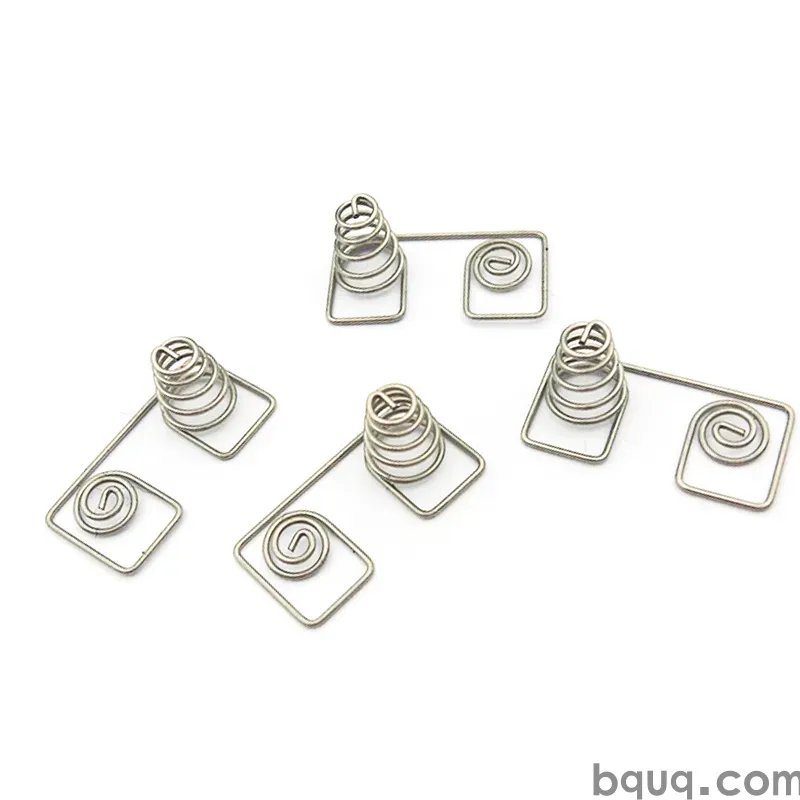
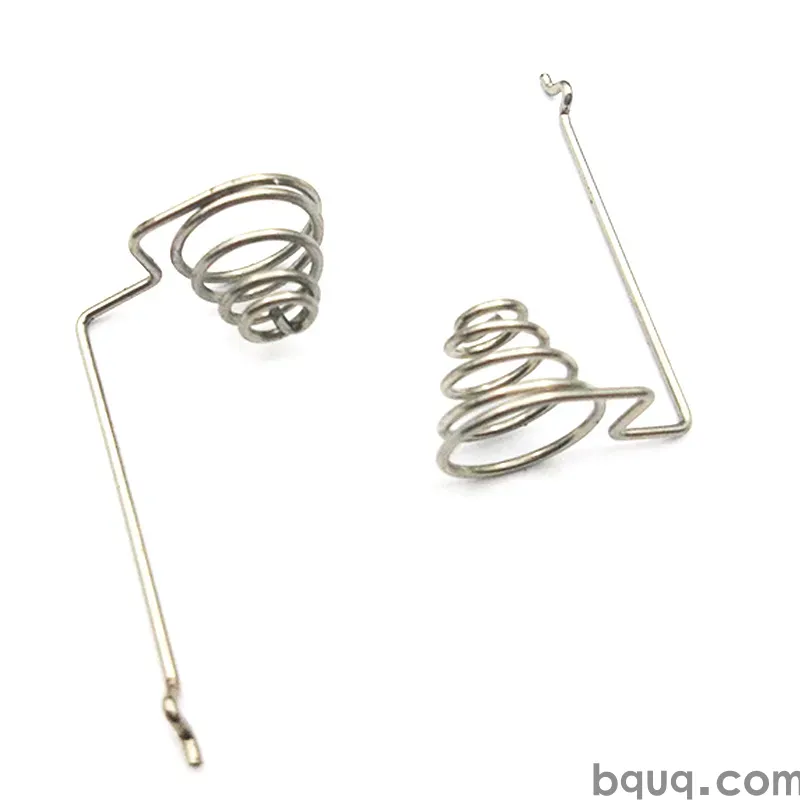
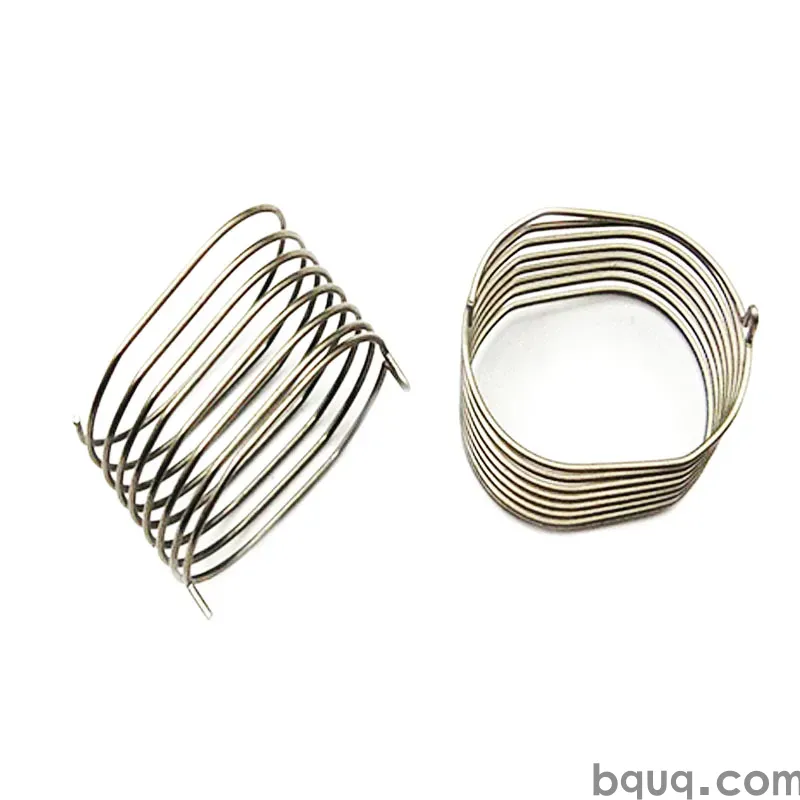
Cụ thể, kiểu trao đổi hiệu quả trông như thế này. BQUQ báo giá trong vòng 12 giờ làm việc sau khi nhận được bộ hồ sơ hoàn chỉnh (sc@bquq.com, WhatsApp +86 13713157787) — tốc độ này có thể thực hiện được vì bản vẽ hoàn chỉnh cho phép kỹ thuật trả lời ngay lập tức, và báo giá của chúng tôi trả về kèm câu hỏi của chính chúng tôi nếu có bất kỳ điều gì mơ hồ, trước khi bạn cam kết thay vì sau đó. Các kỹ sư của chúng tôi làm việc từ mô hình 3D và các ký hiệu 2D cùng nhau, nêu rõ các câu hỏi về vật liệu và dung sai trong cùng một phản hồi, và dung sai sản xuất của chúng tôi cho các tính năng gia công quan trọng là ±0.005 mm — nhưng chúng tôi sẽ xác nhận từng tính năng quan trọng bằng văn bản thay vì giả định. Trên chi tiết tiện CNC và dòng lò xo theo yêu cầu của chúng tôi, tiêu chuẩn là như nhau: câu hỏi được đánh số nhận câu trả lời được đánh số, phiên bản được theo dõi, và báo cáo sản phẩm đầu tiên nêu tên phiên bản mà nó đo. Hồ sơ công ty của chúng tôi mô tả hệ thống chất lượng ISO 9001 thực thi kiểm soát tài liệu — cùng hệ thống bạn nên tìm kiếm ở bất kỳ nhà máy nào, vì giao tiếp kỹ thuật không phải là kỹ năng mềm. Đó là một quy trình, và quy trình có thể kiểm toán được.
Câu Hỏi Thường Gặp
Q: Tôi có cần gửi cả tệp 3D và 2D cho nhà máy Trung Quốc không?
Có — mô hình 3D mang hình học và bản vẽ 2D mang dung sai và ghi chú. Chỉ gửi mô hình 3D buộc nhà máy phải đoán dung sai; chỉ gửi bản vẽ 2D sẽ mất hình học bề mặt. STEP cùng PDF có kích thước là bộ hồ sơ tiêu chuẩn.
Q: Các ký hiệu GD&T của tôi có được hiểu chính xác không?
Có, nếu bạn sử dụng ký hiệu ISO hoặc ASME tiêu chuẩn với khung tham chiếu chuẩn phù hợp. Các kỹ sư sản xuất Trung Quốc đọc GD&T thường xuyên — chính các ký hiệu không tiêu chuẩn, tùy biến mới bị hiểu sai. Ghi rõ tiêu chuẩn nào chi phối trên khung tên.
Q: Tại sao nhà cung cấp của tôi nói "không vấn đề gì" với mọi thứ?
Hoặc bạn đang nói chuyện với bộ phận bán hàng thay vì kỹ thuật, hoặc nhà máy xác nhận trước khi kiểm tra. Hãy hỏi một câu hỏi quy trình sắc bén ("tính năng nào khó giữ nhất, và bạn sẽ đo nó như thế nào?") — một kỹ sư thực thụ sẽ trả lời, và một nhân viên bán hàng sẽ né tránh.
Q: Làm thế nào để nhận được phản hồi kỹ thuật nhanh hơn từ nhà máy?
Hãy hỏi các câu hỏi được đánh số, tham chiếu bản vẽ và gửi đến một kỹ sư được chỉ định tên, không phải quản lý tài khoản. Bộ hồ sơ hoàn chỉnh được báo giá trong vài giờ; hồ sơ mơ hồ tạo ra các vòng làm rõ tốn nhiều ngày mỗi vòng.
Q: Nguyên nhân phổ biến nhất gây hiểu lầm với các nhà máy Trung Quốc là gì?
Các giả định không được nêu rõ — cấp vật liệu, tính năng nào là chức năng, tình trạng phiên bản, và hệ đơn vị. Mọi giả định bỏ sót trên bản vẽ sẽ được ai đó đưa ra, và nó sẽ khác với giả định của bạn. Viết ra mọi thứ, sửa đổi chính thức, và phê duyệt bằng văn bản.
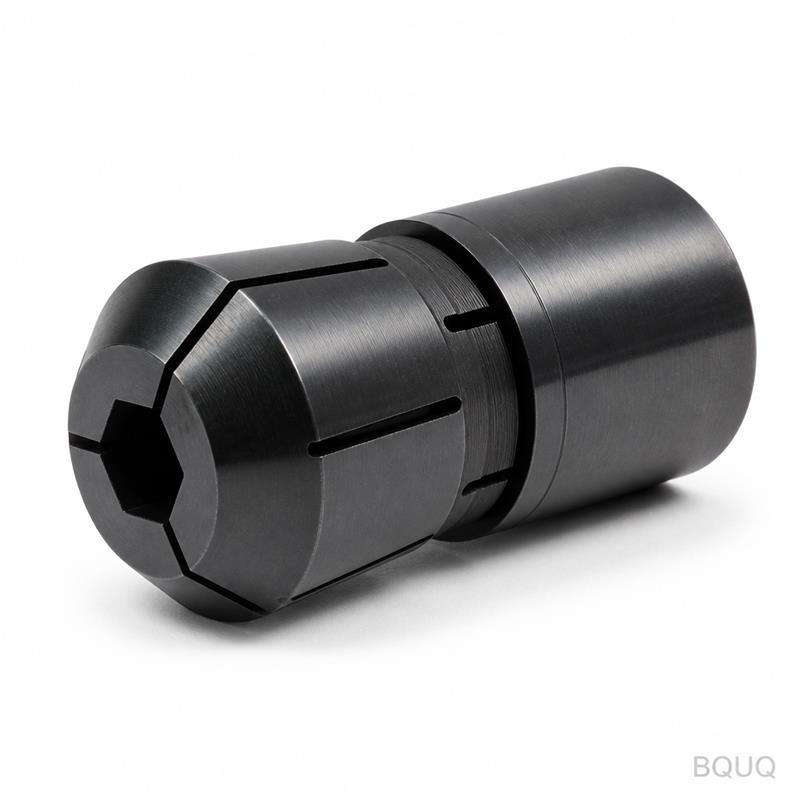
Được biên soạn bởi Đội ngũ Kỹ thuật BQUQ. BQUQ là nhà máy nguồn chứng nhận ISO9001 tại Dongguan, Trung Quốc, vận hành các dây chuyền gia công CNC, dập kim loại, lò xo theo yêu cầu, tản nhiệt và collet dưới một mái nhà. Gửi bản vẽ đến sc@bquq.com hoặc WhatsApp +86 13713157787 để nhận báo giá trong vòng 12 giờ làm việc. www.bquq.com