Chọn loại lò xo: nén, kéo hay xoắn theo hướng tải trọng. So sánh không gian, kiểu đầu và dạng hỏng hóc. BQUQ (ISO9001) sản xuất cả ba loại.
Lò xo nén, kéo hay xoắn: Chọn đúng loại lò xo trước tiên
Chọn loại lò xo dựa trên hướng tải trọng, không phải theo thói quen: bộ phận cần đẩy ra xa thì dùng lò xo nén, bộ phận cần kéo lại gần thì dùng lò xo kéo, và bộ phận cần xoay về vị trí cũ thì dùng lò xo xoắn. Lò xo nén là lựa chọn mặc định rẻ nhất và đáng tin cậy nhất; lò xo kéo có thêm móc treo, nơi trở thành điểm yếu; lò xo xoắn chịu tải trọng uốn qua các càng — chỉ chọn chúng khi chuyển động là góc quay.
Ba trong bốn yêu cầu về lò xo theo yêu cầu mà tôi thấy đều được giải đáp bởi cùng một câu hỏi đầu tiên: chuyển động nào mà lò xo đang chống lại? Lò xo tích trữ năng lượng bằng cách bị biến dạng khỏi hình dạng tự do, và mỗi loại thường chịu tải theo một hướng. Lò xo nén bị ép dọc theo trục của nó, lò xo kéo bị kéo giãn dọc theo trục, lò xo xoắn bị xoắn quanh trục của nó. Khi chuyển động của cơ cấu khớp với tải trọng tự nhiên của lò xo, thiết kế đơn giản và lò xo đáng tin cậy. Khi chúng xung đột, các kỹ sư phải bắt bu lông thêm bộ chuyển đổi và tỷ lệ hỏng hóc tăng lên.
Lò xo nén: Lựa chọn mặc định vì lý do chính đáng
Lò xo nén đẩy các vật ra xa nhau. Chúng là loại lò xo phổ biến nhất vì đẩy là công việc phổ biến nhất của lò xo, và chúng rẻ nhất và dễ chế tạo nhất: không cần tạo móc, không có kết nối đầu nào để hỏng, tải trọng được truyền qua các đầu phẳng hoặc đầu kín. Chúng cần dẫn hướng bên khi quá dài so với đường kính — một thanh xuyên qua giữa hoặc một lỗ bao quanh — bởi vì một lò xo nén mảnh sẽ cong vênh sang một bên khi tỷ lệ chiều dài trên đường kính vượt quá khoảng 4:1.
| Loại lò xo | Hướng tải trọng | Nhu cầu không gian điển hình | Điểm yếu chính |
|---|---|---|---|
| Nén | Đẩy dọc trục | Cần không gian dọc trục, có thể lồng nhau | Cong vênh nếu mảnh và không được dẫn hướng |
| Kéo | Kéo dọc trục | Cần không gian dọc trục cộng thêm không gian đầu | Móc treo là điểm hỏng hóc |
| Xoắn | Mô men xoay | Không gian hướng tâm cho các càng | Ứng suất cao ở càng, ma sát giữa các vòng xoắn |
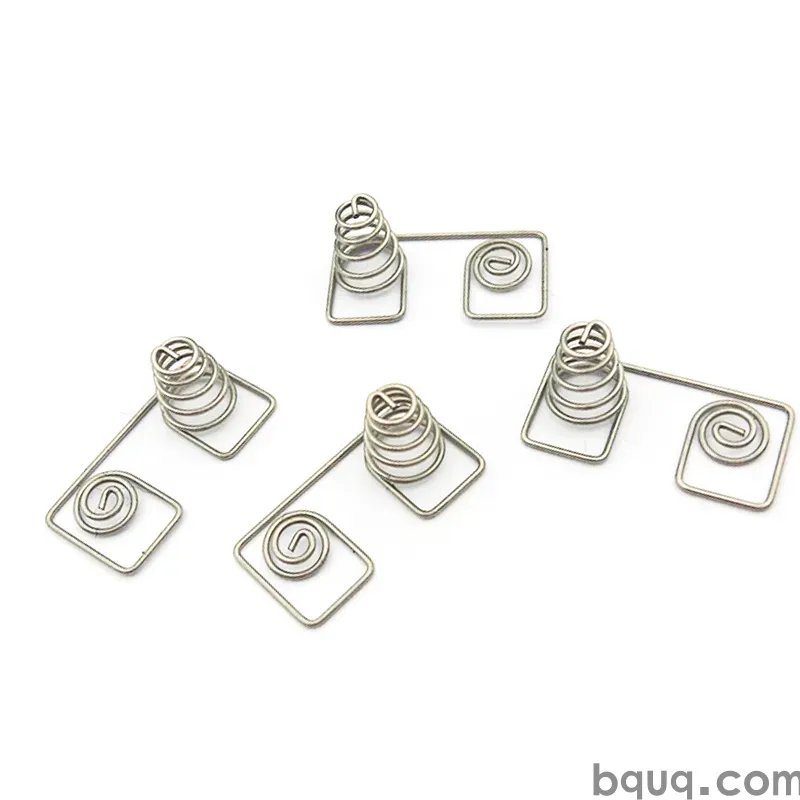
| Nén hình côn | Đẩy, chiều cao nén nhỏ | Chiều cao nén nhỏ | Độ cứng lũy tiến, chi phí cao hơn |
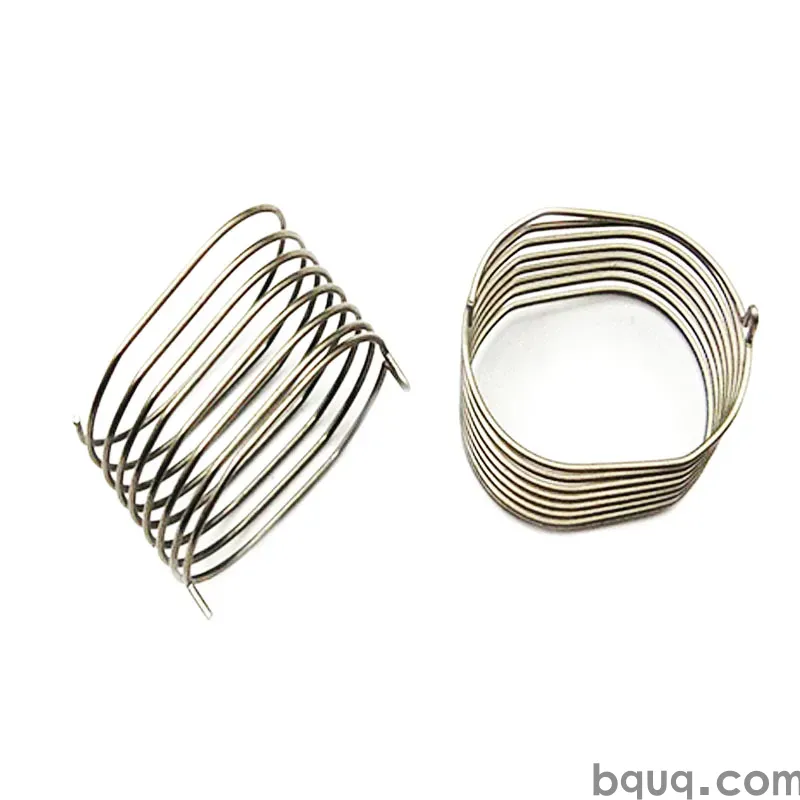
| Lực không đổi / lá | Đẩy qua hành trình dài | Không gian phẳng | Chuyên dụng, cần khuôn theo yêu cầu |
Kết luận: nếu cơ cấu đẩy và có không gian dọc trục, hãy sử dụng lò xo nén thông thường — xác định tải trọng ở chiều cao làm việc, giữ tỷ lệ chiều dài trên đường kính dưới khoảng 4:1 hoặc thêm bộ dẫn hướng, và thiết kế hoàn tất. Lò xo nén cũng chấp nhận các cấp dung sai rộng nhất, giúp giảm chi phí. Hầu hết các câu hỏi "chọn loại nào" được giải quyết tại đây.
Lò xo kéo: Khi chuyển động là sự kéo giãn
Lò xo kéo kéo các vật lại gần nhau — hồi vị chốt, đối trọng, bộ căng. Chúng là các vòng xoắn được quấn chặt đủ để có lực căng ban đầu: lực cần thiết để bắt đầu tách các vòng xoắn, thường là 10–25% tải trọng tối đa đối với lò xo quấn bước gần. Lực căng ban đầu này vừa là một tính năng (giữ cơ cấu khít khi nghỉ) vừa là một cái bẫy (nếu bản vẽ bỏ qua nó, chiều dài tự do và tải trọng ở chiều dài làm việc sẽ không khớp với thực tế). Điểm yếu xác định là các đầu: mọi tải trọng đều đi qua các móc được tạo từ dây thép, và như đã đề cập trong hướng dẫn về móc lò xo kéo, móc chịu ứng suất cao hơn thân lò xo và hỏng trước.
| Yếu tố thiết kế | Giá trị của lò xo kéo |
|---|---|
| Lực căng ban đầu | 10–25% tải trọng tối đa, điển hình |
| Đường truyền tải | Qua móc — ứng suất uốn ở các đầu |
| Kiểu đầu | Vòng kín, vòng kiểu Đức, móc bên, đầu cơ khí |
| Không gian | Cần hành trình dọc trục cộng khoảng hở cho móc |
| Mỏi | Giới hạn bởi móc trừ khi dùng đầu cơ khí |
Kết luận: chỉ chọn lò xo kéo khi cơ cấu thực sự kéo. Sau đó thiết kế kết nối đầu trước — hình dạng móc, bán kính và khoảng hở — vì điều đó quyết định tuổi thọ. Nếu lực kéo lớn hoặc chu kỳ cao, hãy hỏi về đầu cơ khí (chốt, ren lót) để loại bỏ điểm yếu của móc; dòng lò xo kéo bao gồm cả hai loại quấn với móc và đầu cơ khí.
Lò xo xoắn: Chuyển động góc, tải trọng uốn
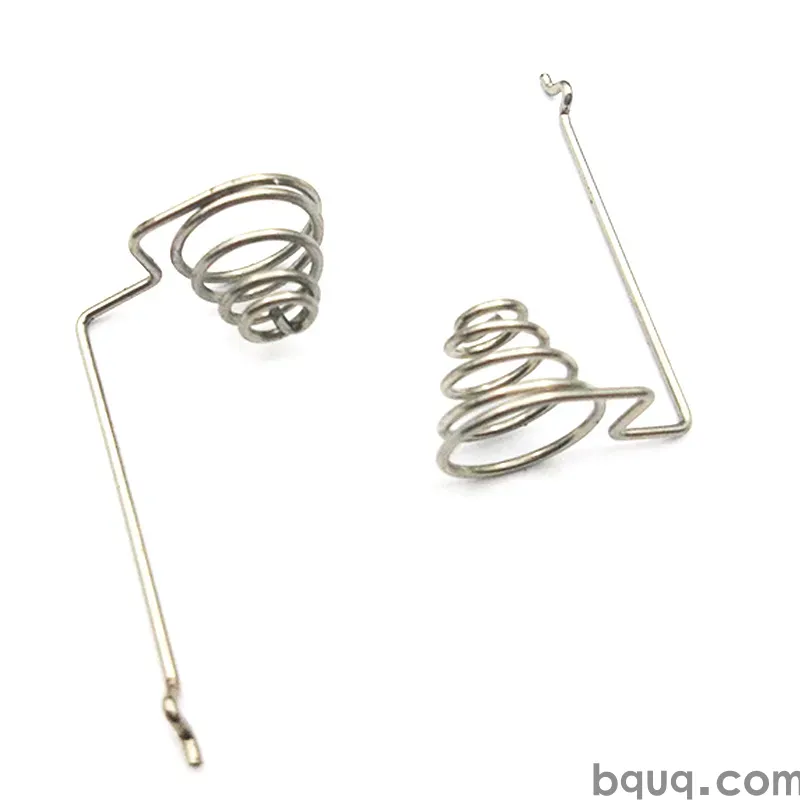
Lò xo xoắn được quấn giống như lò xo nén nhưng chịu tải bằng cách xoắn các đầu — các càng xoay quanh trục cuộn và lò xo tích trữ năng lượng trong sự uốn của dây thép. Chúng cung cấp năng lượng cho bản lề cửa, kẹp, bánh cóc và cơ cấu hồi vị. Ba điều làm các kỹ sư ngạc nhiên: dây thép chịu tải trọng uốn, không phải xoắn, mặc dù tên gọi; các vòng xoắn cọ xát vào nhau khi lò xo quấn, tạo thêm ma sát; và các càng chịu ứng suất cao tại các chỗ uốn. Lò xo xoắn cũng thay đổi đường kính khi quấn — đường kính ngoài tăng khi quấn theo một hướng — điều này quan trọng khi lò xo nằm trong một lỗ gần.
| Thông số | Hành vi của lò xo xoắn |
|---|---|
| Tải trọng dây | Ứng suất uốn (hiệu quả cao hơn trên mỗi dây) |
| Ma sát cuộn | Các vòng xoắn cọ xát; bôi trơn hoặc chấp nhận độ trễ |
| Thay đổi đường kính | OD/ID thay đổi khi quấn — chừa khoảng hở |
| Càng | Chỗ uốn ở gốc càng tập trung ứng suất |
| Kiểu đầu | Càng thẳng, cong, móc, có bản lề |
Kết luận: lò xo xoắn là giải pháp đúng cho chuyển động hồi vị góc và không gì khác. Khi chọn chúng, hãy chừa khoảng hở hướng tâm cho sự thay đổi đường kính, thiết kế hình dạng càng với bán kính uốn rộng rãi, và xác định mô men xoắn ở góc làm việc — tương đương với tải trọng ở chiều cao làm việc của lò xo nén. Đối với cơ cấu chỉ xoay một chút, lò xo xoắn thường nhỏ hơn lò xo nén làm cùng công việc thông qua đòn bẩy.
Trình tự quyết định xử lý các trường hợp đặc biệt
Thực hiện quyết định theo thứ tự. Đầu tiên, cơ cấu cần chuyển động gì? Đẩy → họ lò xo nén; kéo → lò xo kéo; xoay → lò xo xoắn; không có gì chuyển động nhiều nhưng cần tích trữ năng lượng — vẫn cân nhắc lò xo hoặc một phần tử năng lượng khác. Thứ hai, không gian hiện có là gì? Không gian dọc trục ủng hộ lò xo nén hoặc kéo; chỉ có không gian hướng tâm ủng hộ lò xo xoắn hoặc dạng lá; chiều cao nén nhỏ ủng hộ lò xo hình côn. Thứ ba, tải trọng được truyền như thế nào — đầu phẳng, móc, càng, hay bề mặt cơ khí? Điều đó quyết định các đầu, từ đó quyết định dạng hỏng hóc. Thứ tư, kiểm tra số lượng và môi trường: dưới vài nghìn chi tiết, tất cả các loại đều được quấn trên máy CNC mà không cần khuôn; ăn mòn và nhiệt độ thu hẹp danh sách vật liệu trước khi chúng thay đổi loại lò xo.
| Yêu cầu trên bản vẽ | Loại lò xo phù hợp |
|---|---|
| "Đẩy với X N tại Y mm" | Nén |
| "Kéo với X N tại Y mm" | Kéo |
| "Hồi vị đòn bẩy/bản lề với X N·mm" | Xoắn |
| "Vừa trong chiều cao nén 5 mm, hành trình 15 mm" | Nén hình côn |
| "Giữ tiếp điểm với X gf" | Nén nhỏ hoặc tiếp điểm lá |
| "Hấp thụ sốc, lực cản tăng dần" | Lũy tiến (bước thay đổi) |
Kết luận: khi bản vẽ ghi lực và khoảng cách dọc theo một trục, loại lò xo đã được quyết định. Khi ghi mô men xoắn và góc, đó là lò xo xoắn. Khi không ghi gì về chuyển động — lỗi kinh điển — hãy dừng lại và hỏi lò xo được tải như thế nào trước khi bất kỳ ai báo giá, bởi vì một lò xo được chế tạo cho hướng tải sai sẽ hỏng dù được sản xuất tốt đến đâu.
BQUQ sản xuất cả ba họ lò xo theo tiêu chuẩn ISO9001 tại Dongguan — nén, kéo và xoắn — cùng với các dạng hình côn, bước thay đổi và kết hợp, vì vậy khuyến nghị loại lò xo không bị giới hạn bởi những gì một dây chuyền có thể sản xuất. Gửi bản vẽ hoặc bản phác thảo chuyển động kèm tải trọng và không gian đến sc@bquq.com hoặc WhatsApp +86 13713157787, và báo giá trong vòng 12 giờ làm việc sẽ nêu rõ loại lò xo được khuyến nghị và lý do — hoặc cho bạn biết một cách trung thực khi giải pháp không phải lò xo phù hợp hơn.
Hỏi: Làm sao để biết tôi cần lò xo nén, kéo hay xoắn?
Nhìn vào chuyển động mà lò xo chống lại: bị ép lại với nhau = nén, bị kéo ra xa = kéo, bị xoắn quanh một trục = xoắn. Hướng tải trọng là toàn bộ quyết định — khớp tải trọng tự nhiên của lò xo và thiết kế trở nên đơn giản.
Hỏi: Tại sao lò xo nén là lựa chọn mặc định?
Chúng rẻ nhất để chế tạo, không cần móc hoặc kết nối đầu nào để hỏng, chấp nhận dung sai rộng nhất, và đẩy là công việc phổ biến nhất của lò xo. Hãy sử dụng chúng trừ khi cơ cấu thực sự kéo hoặc xoay.
Hỏi: Khi nào lò xo xoắn tốt hơn lò xo nén?
Khi chuyển động tự nhiên của cơ cấu là góc — bản lề, chốt hoặc càng hồi vị. Lò xo xoắn tích trữ trực tiếp chuyển động xoay đó; buộc lò xo nén làm điều đó qua đòn bẩy sẽ thêm chi tiết và ma sát.
Hỏi: Lực căng ban đầu trong lò xo kéo là gì?
Lực cần thiết để bắt đầu tách các vòng xoắn, thường là 10–25% tải trọng tối đa đối với lò xo quấn gần. Nó giữ cơ cấu khít khi nghỉ. Bản vẽ bỏ qua điều này sẽ tạo ra lò xo có chiều dài tự do và tải trọng làm việc không khớp với cơ cấu.
Hỏi: Một nhà máy có thể sản xuất cả ba loại lò xo không?
Một dây chuyền lò xo đầy đủ quấn lò xo nén, kéo và xoắn trên cùng loại máy CNC với các khuôn và bước tạo đầu khác nhau. Khi nhà cung cấp vận hành tất cả các loại, khuyến nghị loại lò xo đến từ ứng dụng, không phải từ những gì nhà máy tình cờ bán.
Được biên soạn bởi Đội ngũ Kỹ thuật BQUQ. BQUQ là nhà máy nguồn chứng nhận ISO9001 tại Dongguan, Trung Quốc, vận hành các dây chuyền gia công CNC, dập kim loại, lò xo theo yêu cầu, tản nhiệt và kẹp collet dưới một mái nhà. Gửi bản vẽ đến sc@bquq.com hoặc WhatsApp +86 13713157787 để được báo giá trong vòng 12 giờ làm việc. www.bquq.com