Lắp đặt mâm cặp collet trong năm bước: làm sạch, lắp khít, siết mô-men xoắn theo từng giai đoạn, lắp collet, và kiểm tra độ đảo trên trục chuẩn. BQUQ chế tạo mâm cặp đạt cấp chính xác 0.005 mm.
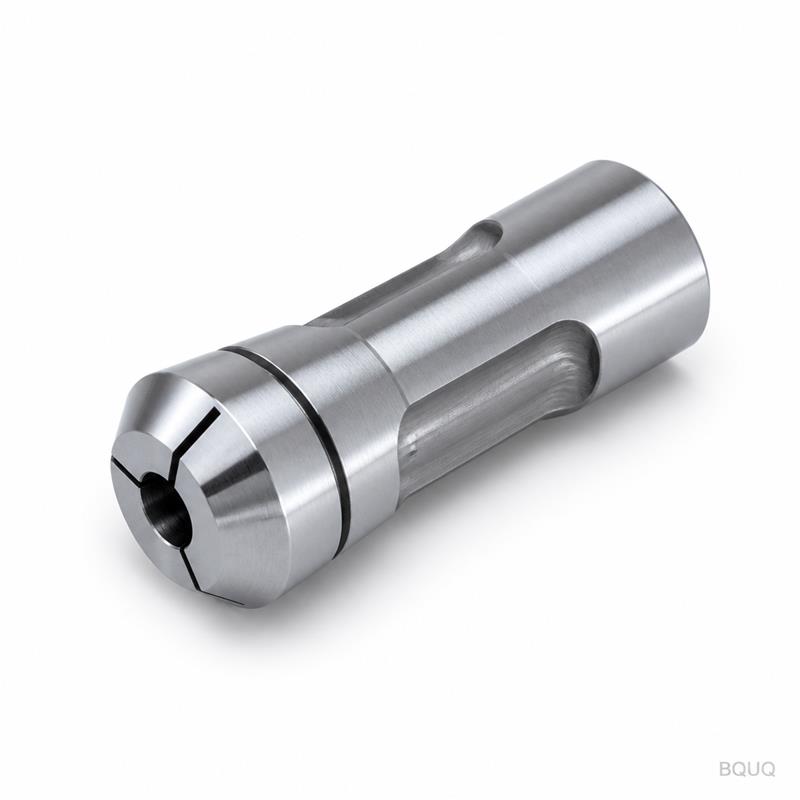
Lắp Đặt Mâm Cặp Collet: Mô-men Xoắn, Độ Khít và Kiểm Tra Độ Đảo
Việc lắp đặt mâm cặp collet đúng cách là một quy trình năm bước — làm sạch côn trục chính, lắp khít mâm cặp, siết mô-men xoắn theo từng bước, lắp collet với côn sạch, và kiểm tra độ đảo trên trục chuẩn đã mài trước khi gia công chi tiết đầu tiên — bởi vì mỗi micron sai số lắp đặt sẽ cộng trực tiếp vào độ đảo mà chi tiết của bạn sẽ gặp phải. Bỏ qua bước làm sạch và mâm cặp cùng collet tốt nhất bạn có thể mua vẫn sẽ bị đảo.
Mâm cặp collet chỉ chính xác khi được lắp đặt đúng cách. Mâm cặp mang độ chính xác của các bề mặt côn được mài, nhưng các bề mặt côn này tiếp xúc với máy thông qua các bề mặt ghép nối có thể tích tụ phoi, ba via và cặn dung dịch làm mát, và thông qua các bu lông phải được siết đều để giữ mâm cặp vuông góc. Những người lắp đặt vội vàng thường đổ lỗi cho mâm cặp về độ đảo mà chính việc lắp đặt của họ gây ra. Quy trình dưới đây chỉ mất vài phút và loại bỏ vĩnh viễn việc lắp đặt khỏi danh sách các nguyên nhân nghi ngờ.
Trước Khi Bắt Đầu: Làm Sạch Tất Cả
Nguyên nhân phổ biến nhất của một mâm cặp mới "bị lỗi" là bề mặt ghép nối bị bẩn. Phoi, dung dịch làm mát khô, ba via từ lần thay dao trước hoặc dấu vết từ mâm cặp trước đó đều nằm giữa mâm cặp và mũi trục chính, làm lệch tâm mâm cặp nhiều hơn cấp độ đảo của các collet mà nó sẽ kẹp giữ.
Làm sạch côn và mặt mũi trục chính bằng dung môi và vải không xơ, đồng thời kiểm tra ba via bằng móng tay hoặc đá mài mịn. Làm tương tự với côn lắp ghép và mặt sau của mâm cặp trước khi lắp lên. Kiểm tra mũi trục chính xem có vết khía không — ba via trên côn không thể làm sạch bằng cách lau mà phải được mài bỏ bằng đá, và mũi trục chính bị hư hỏng cần đến dịch vụ bảo trì máy công cụ, không phải dùng cờ lê to hơn.
| Bề mặt | Nguy cơ nhiễm bẩn | Phương pháp làm sạch |
|---|---|---|
| Côn/mặt mũi trục chính | Phoi, dung dịch làm mát khô, ba via | Dung môi + vải; mài bỏ ba via |
| Côn lắp ghép của mâm cặp | Gỉ do lưu kho, vết xước do xử lý | Dung môi + vải; kiểm tra |
| Mặt sau của mâm cặp | Phoi từ lần lắp trước | Dung môi + vải |
| Côn collet và côn mâm cặp | Cặn từ công việc trước | Chỉ dùng dung môi + vải |
Điểm mấu chốt: nếu một trong hai bề mặt ghép nối có ba via hoặc vết xước, hãy loại bỏ trước khi lắp — mâm cặp bị kéo lên trên một ba via sẽ ngồi lệch và giữ nguyên trạng thái lệch đó cho đến khi ai đó lặp lại toàn bộ quá trình lắp đặt.
Lắp Khít Mâm Cặp
Khi cả hai bề mặt đã sạch, hãy lắp mâm cặp bằng tay hoặc với thiết bị nâng và đưa nó vào tiếp xúc đều với mũi trục chính. Mâm cặp nên tự ngồi vào vị trí dưới trọng lượng của chính nó và một lực đẩy nhẹ, với các côn ghép nối tiếp xúc hoàn toàn trên toàn bộ chu vi — một mâm cặp bị lắc lư hoặc chỉ tiếp xúc tại một điểm là do bẩn, hư hỏng hoặc không khớp với trục chính.
Kiểm tra độ khít trước khi siết mô-men xoắn tối đa. Một bài kiểm tra nhanh là kéo nhẹ mâm cặp lên và cảm nhận chuyển động hoặc sự lắc lư; tốt hơn, hãy dùng đồng hồ so kiểm tra bề mặt định vị của mâm cặp hoặc một trục kiểm sau khi kéo nhẹ và xác nhận chỉ số đã gần với giá trị cuối cùng. Nếu mâm cặp ngồi lệch ở lực kéo nhẹ, việc siết chặt hơn sẽ không làm thẳng nó — nó chỉ khóa chặt sai số đó lại.
Mô-men Xoắn: Đều, Theo Bước, và Đúng Tiêu Chuẩn
Các bu lông lắp ghép phải được siết đều và theo từng giai đoạn để mặt mâm cặp chịu lực đồng đều. Siết theo kiểu chữ thập hoặc hình sao — cùng nguyên tắc như khi siết nắp xi-lanh — trong ít nhất hai hoặc ba bước, hoàn thành ở mô-men xoắn mà nhà sản xuất máy hoặc nhà sản xuất mâm cặp quy định.
Không đoán mô-men xoắn và không dùng thanh nối dài cờ lê. Siết thiếu mô-men xoắn cho phép mâm cặp dịch chuyển dưới lực cắt; siết quá mô-men xoắn làm biến dạng thân mâm cặp hoặc mũi trục chính. Nếu mất thông số kỹ thuật của nhà sản xuất, hãy sử dụng cấp độ và kích thước bu lông làm hướng dẫn và giữ kiểu siết đều — mục tiêu là tiếp xúc mặt đều, không phải tải trọng bu lông tối đa.
| Bước lắp ghép | Thao tác | Kiểm tra |
|---|---|---|
| 1 | Làm sạch và kiểm tra tất cả các bề mặt ghép nối | Không có ba via, không có cặn |
| 2 | Lắp khít mâm cặp lên trục chính | Tiếp xúc côn hoàn toàn, không lắc lư |
| 3 | Siết bu lông theo hình sao, ~50% | Khe hở đều xung quanh |
| 4 | Siết mô-men xoắn theo tiêu chuẩn, hình sao, 100% | Mô-men xoắn cuối cùng, không dịch chuyển |
| 5 | Lắp collet, kiểm tra độ đảo trên trục chuẩn | TIR trong cấp chính xác |
Điểm mấu chốt: siết mô-men xoắn theo từng bước với kiểu siết đều. Một mâm cặp được siết theo chiều kim đồng hồ quanh vòng bu lông sẽ ngồi xuống dần và mặt của nó không bao giờ tiếp xúc phẳng.
Lắp Collet
Collet được lắp vào khi sạch, đúng rãnh định vị, và nằm hoàn toàn trong mâm cặp. Nhiều thiết kế mâm cặp sử dụng rãnh then hoặc rãnh chốt để định hướng collet — hãy gài đúng cách nếu không collet có thể ngồi lệch rãnh và kẹp không đều. Kiểm tra côn của collet khớp với côn của mâm cặp và collet rơi vào đúng vị trí ngồi hoàn toàn mà không cần lực.
Đối với mâm cặp có ống kéo hoặc đai ốc, hãy vặn đai ốc xuống cho đến khi nó vừa chạm, sau đó làm collet ngồi vào vị trí bằng trục chuẩn hoặc thanh vật liệu thực tế đã được lắp để các ngò kẹp ôm quanh một vật tròn. Không bao giờ đóng chặt một collet lò xo rỗng vào điểm chặn của nó — việc đóng rỗng lặp đi lặp lại gây ứng suất lên các ngò kẹp và có thể làm biến dạng các rãnh. Nếu mâm cặp sử dụng cờ lê chuyên dụng cho đai ốc collet, hãy sử dụng nó; lực siết trên đai ốc collet ở mức vừa phải, và rủi ro không phải là siết quá chặt mà là ngồi không đều.
Kiểm Tra Độ Đảo Hoàn Tất Công Việc
Việc lắp đặt chỉ hoàn tất khi một trục chuẩn đã mài trong collet cho chỉ số nằm trong cấp độ đảo trên đồng hồ so. Lắp trục chuẩn có đường kính đúng, cho collet ngồi vào vị trí bình thường, và đọc tổng độ đảo (TIR) gần mũi collet trong khi xoay chậm bằng tay. Đọc lần thứ hai xa hơn dọc theo trục chuẩn: nếu độ đảo tăng dọc theo thanh, sai số là do thanh hoặc lực kẹp của collet, không phải mâm cặp.
Ghi lại chỉ số. Đây là đường cơ sở mà mọi thiết lập trong tương lai sẽ so sánh — và là con số cho bạn biết, nhiều tháng sau, liệu một vấn đề độ đảo là mới phát sinh hay đã tồn tại từ trước. Nếu chỉ số lắp đặt nằm ngoài cấp chính xác, đừng bắt đầu cắt: làm sạch và lắp khít lại một lần, sau đó kiểm tra lại; nếu vẫn còn, danh sách nghi ngờ chuyển sang collet, mâm cặp, hoặc trục chính, theo thứ tự đó. Logic ngân sách đằng sau các con số được trình bày trong bài viết giải thích về độ đảo collet của chúng tôi.
Kiểm Tra Lần Chạy Đầu và Kiểm Tra Theo Dõi
Sau khi kiểm tra độ đảo đạt yêu cầu, hãy chạy các chi tiết đầu tiên và xác minh đường kính cũng như bề mặt hoàn thiện — đồng hồ so trên trục chuẩn không thể thấy độ võng dưới lực cắt, vì vậy kiểm tra chi tiết đầu tiên là bằng chứng cuối cùng cho việc lắp đặt. Kiểm tra lại độ đảo sau giờ chạy đầu tiên và sau đó theo lịch bảo trì, vì mâm cặp có thể ngồi xuống một chút dưới ảnh hưởng của sự giãn nở nhiệt và rung động, và bu lông có thể bị nới lỏng.
Khi vấn đề xuất hiện sau đó, hãy chống lại phản xạ đổ lỗi cho mâm cặp. Hầu hết các "vấn đề mâm cặp" là vấn đề lắp đặt lại: bụi bẩn, bu lông bị nới lỏng, collet mòn, hoặc bề mặt ghép nối bị hư hỏng. Hướng dẫn xử lý sự cố mâm cặp collet của chúng tôi liệt kê các lỗi theo thứ tự mà các xưởng thực tế nên kiểm tra.
Lựa Chọn và Xác Minh Mâm Cặp
Kỹ năng lắp đặt không thể cứu một mâm cặp có côn không được mài chính xác, vì vậy hãy xác minh mâm cặp khi nhận hàng: kiểm tra côn ngồi và côn collet xem có hư hỏng không, xác nhận họ collet khớp với những gì bạn đã đặt, và yêu cầu dữ liệu độ đảo từ nhà sản xuất. Một mâm cặp được chế tạo đạt cấp 0.005 mm, được lắp đặt theo quy trình này, sẽ duy trì cấp chính xác đó tại mũi collet — đây là điểm khởi đầu cho các chi tiết mà nó sẽ tạo ra.
BQUQ gia công mâm cặp collet Swiss và 2J cũng như mâm cặp collet cho dao cụ từ hợp kim đã tôi cứng trên cùng dây chuyền CNC đạt ±0.005 mm, dưới sự kiểm soát ISO9001, và xuất xưởng kèm dữ liệu kiểm tra. Xem các dòng sản phẩm mâm cặp collet Swiss và 2J và mâm cặp collet cho dao cụ, và gửi thông tin máy cùng trục chính của bạn đến sc@bquq.com hoặc WhatsApp +86 13713157787 để nhận báo giá trong vòng 12 giờ làm việc.
Câu Hỏi Thường Gặp
Hỏi: Tại sao mâm cặp collet mới của tôi bị đảo ngay cả với collet mới?
Đáp: Hãy kiểm tra việc lắp đặt trước: bụi bẩn hoặc ba via giữa mâm cặp và mũi trục chính, hoặc bu lông được siết không đều, làm lệch tâm mâm cặp. Làm sạch, lắp khít lại, siết theo hình sao, sau đó kiểm tra lại trên trục chuẩn trước khi nghi ngờ chính mâm cặp.
Hỏi: Tôi nên sử dụng mô-men xoắn nào để lắp mâm cặp collet?
Đáp: Sử dụng thông số kỹ thuật của nhà sản xuất máy hoặc nhà sản xuất mâm cặp. Nếu không có, hãy tuân theo cấp độ và kích thước bu lông, siết theo hình sao theo từng giai đoạn, và nhắm đến việc tiếp xúc mặt đều — tải trọng đều quan trọng hơn tải trọng bu lông tối đa.
Hỏi: Làm sao tôi biết mâm cặp đã được lắp khít đúng cách?
Đáp: Mâm cặp nên tự ngồi vào vị trí dưới trọng lượng của nó với tiếp xúc côn hoàn toàn và không lắc lư. Kéo nhẹ nó lên và dùng đồng hồ so kiểm tra bề mặt định vị hoặc trục kiểm — nếu chỉ số đã gần giá trị cuối cùng ở lực kéo nhẹ, độ khít tốt; nếu không, hãy làm sạch và lắp khít lại.
Hỏi: Tôi có nên kiểm tra độ đảo mỗi lần thay collet không?
Đáp: Có — chỉ mất hai phút khi đồng hồ so đã ở trong tay, và nó phát hiện bụi bẩn, côn bị hư hỏng hoặc collet mòn trước khi chúng tạo ra phế phẩm. Ghi lại chỉ số; xu hướng theo thời gian là cảnh báo sớm của bạn về sự mòn của mâm cặp và collet.
Hỏi: Siết quá chặt đai ốc collet có thể làm hỏng mâm cặp không?
Đáp: Có. Tải trọng quá mức làm biến dạng các phần mỏng của mâm cặp và có thể làm hỏng côn collet. Sử dụng cờ lê đúng và lực siết vừa phải, đều — công việc của đai ốc là làm collet ngồi vào vị trí, không phải nghiền nát nó.
Được biên soạn bởi Đội ngũ Kỹ thuật BQUQ. BQUQ là nhà máy nguồn được chứng nhận ISO9001 tại Đông Quản, Trung Quốc, vận hành các dây chuyền gia công CNC, dập kim loại, lò xo theo yêu cầu, tản nhiệt và collet dưới cùng một mái nhà. Gửi bản vẽ đến sc@bquq.com hoặc WhatsApp +86 13713157787 để nhận báo giá trong vòng 12 giờ làm việc. www.bquq.com