Khắc phục tình trạng trượt, độ đảo và kéo tuột dụng cụ của đầu cặp ống kẹp: độ khớp lỗ khoan, mô-men xoắn, độ sạch của côn và độ mòn. Hướng dẫn có cấu trúc từ đội ngũ kỹ thuật BQUQ.
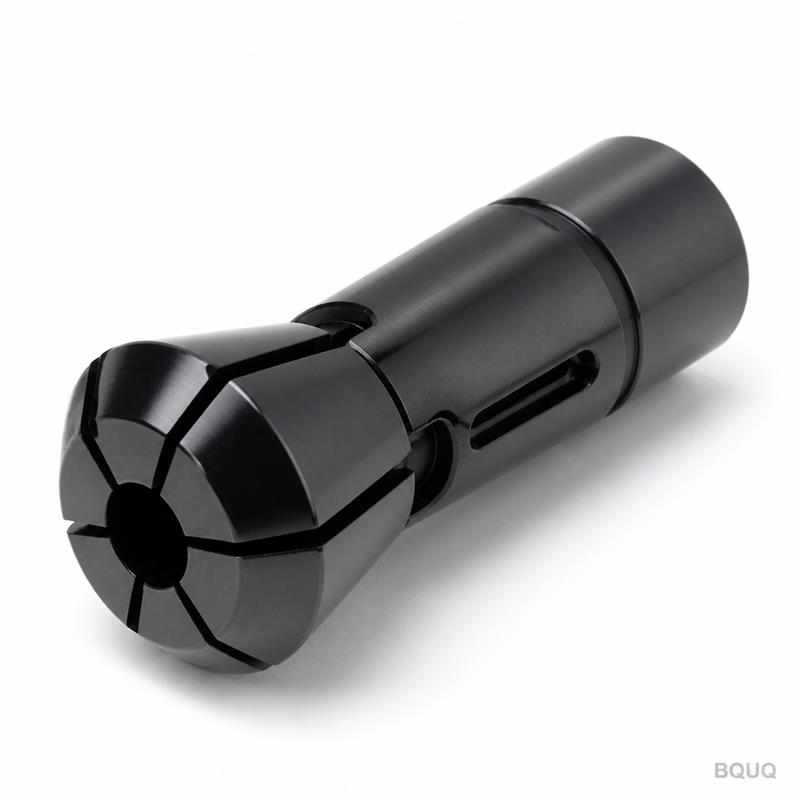
Các Vấn Đề Với Đầu Cặp Ống Kẹp (Collet Chuck): Trượt, Độ Đảo và Kéo Tuột — Nguyên Nhân và Cách Khắc Phục
Hầu hết các sự cố của đầu cặp ống kẹp (collet chuck) không hẳn là sự cố — mà là sự không tương thích: một ống kẹp được khoan lỗ cho kích thước phôi sai, một đai ốc được siết theo cảm giác, một bề mặt côn dính một hạt phoi, hoặc một đầu cặp giữ một chi tiết mà nó chưa bao giờ được thiết kế để giữ. Trượt, độ đảo và kéo tuột đều có một danh sách ngắn các nguyên nhân, và mọi nguyên nhân đều được tìm ra bằng đo lường trước khi chúng được tìm ra bởi các chi tiết bị phế phẩm.
Khi một đầu cặp ống kẹp bắt đầu trượt, bị đảo hoặc kéo phôi ra, bản năng là đổ lỗi cho ống kẹp. Trên thực tế, ống kẹp thường là thứ cuối cùng gây ra vấn đề — nó là một ống thép bị động làm chính xác những gì hình học xung quanh nó cho phép. Lực kẹp đến từ lực đóng, ma sát trên lỗ khoan và sự khớp giữa lỗ khoan và phôi. Độ đảo đến từ toàn bộ chuỗi các bệ đỡ và bề mặt côn. Hướng dẫn này cung cấp cho bạn một lộ trình có cấu trúc từ triệu chứng đến nguyên nhân và cách khắc phục, mà không cần thay thế các bộ phận một cách ngẫu nhiên.
Triệu chứng 1: Phôi Bị Trượt hoặc Xoay Trong Ống Kẹp
Phôi bị trượt có nghĩa là lực kẹp tại bề mặt tiếp xúc nhỏ hơn lực cắt đang cố xoay hoặc kéo phôi. Danh sách nguyên nhân bắt đầu với sự không khớp của lỗ khoan: một ống kẹp kẹp chặt qua vài phần trăm milimét của hành trình co lại sẽ kẹp chặt hơn nhiều so với một ống kẹp bị buộc phải co lại ở giới hạn phạm vi của nó — hoặc tệ hơn, một ống kẹp hầu như chỉ chạm vào phôi tại hai điểm vì lỗ khoan quá cỡ. Dầu, dung dịch làm mát hoặc vảy trên lỗ khoan làm giảm ma sát giống như cách nước làm giảm lực kẹp của phanh. Và trên các ống kẹp bị mòn, các đoạn kẹp bị mỏi và mất đi độ đàn hồi, do đó ống kẹp không còn đóng chặt vào phôi ngay cả khi đầu cặp vận hành đúng chu kỳ.
| Nguyên nhân có khả năng | Cách kiểm tra | Khắc phục |
|---|---|---|
| Lỗ khoan quá cỡ hoặc quá nhỏ so với phôi | Đo panme thanh vật liệu; kiểm tra thông số kỹ thuật của ống kẹp | Đặt ống kẹp theo kích thước phôi đã đo |
| Dầu/dung dịch làm mát trên lỗ khoan hoặc phôi | Lau sạch và kiểm tra lại lực kẹp | Làm sạch cả hai; kiểm tra dòng rửa dung dịch làm mát |
| Ống kẹp ở cuối phạm vi co lại | So sánh lỗ khoan với phôi | Khoan lại hoặc thay ống kẹp |
| Bề mặt côn bẩn hoặc mòn | Kiểm tra bệ đỡ, lắp lại ống kẹp | Làm sạch côn; thay thế nếu mòn |
| Lực đóng quá thấp | Kiểm tra hành trình và áp suất ống kéo | Điều chỉnh hành trình/áp suất theo thông số kỹ thuật |
Thứ tự khắc phục rất quan trọng: làm sạch trước, vì nó miễn phí; sau đó đo độ khớp giữa lỗ khoan và phôi, vì đây là nguyên nhân thực tế phổ biến nhất; sau đó nghi ngờ lực kẹp và độ mòn. Nếu phôi vẫn trượt sau tất cả bốn bước, hãy đo lực kẹp thực tế bằng đồng hồ đo lực thay vì đoán.
Triệu chứng 2: Độ Đảo Tăng hoặc Không Nhất Quán
Độ đảo là vấn đề được chẩn đoán nhiều nhất và ít được hiểu nhất về ống kẹp, vì nó luôn là một sự chồng chất lỗi. Khi các chi tiết bị lệch tâm, lỗi có thể nằm ở mũi trục chính, bệ đỡ đầu cặp, ống kẹp, đai ốc hoặc chính thanh vật liệu. Quy trình đo lường sẽ tách biệt chúng: lắp một thanh kiểm tra đã mài vào ống kẹp, siết đai ốc theo đúng thông số, và đọc đồng hồ so tại mũi và tại khoảng cách 25–50 mm. Chỉ số cao tại mũi cho thấy vấn đề ở bệ đỡ hoặc ống kẹp; chỉ số cao ở khoảng cách xa cho thấy vấn đề nghiêng hoặc độ thẳng của thanh.
| Kiểm tra | Dụng cụ | Điều nó cho bạn biết |
|---|---|---|
| Độ sạch của côn đầu cặp | Quan sát, lau bằng dung môi | Bụi bẩn ở đây làm hỏng mọi ống kẹp |
| Lắp ghép ống kẹp | Đồng hồ so trên OD ống kẹp | Ống kẹp không lắp vuông góc |
| Mô-men xoắn đai ốc | Cờ lê lực | Siết non/quá tay làm thay đổi độ co lại |
| Độ thẳng của thanh kiểm tra | Xoay thanh trong ống kẹp | Lỗi thanh làm sai lệch chỉ số đo |
| Độ đảo mũi trục chính | Đầu kẹp chuẩn + đồng hồ so | Đường cơ sở tình trạng máy |
Một kiểu phổ biến: độ đảo tốt ở tốc độ thấp và xấu đi sau mỗi lần kẹp lại. Điều đó thường có nghĩa là lỗ khoan của ống kẹp không còn khớp với thanh vật liệu sau khi mòn, hoặc bản thân thanh vật liệu không thẳng — thanh bị cong khi đến nơi thường xuyên hơn các xưởng thừa nhận. Đọc thêm về toàn bộ chuỗi lỗi trong bài giải thích về độ đảo ống kẹp của chúng tôi.
Triệu chứng 3: Dụng Cụ Bị Kéo Tuột Trong Ống Kẹp Giữ Dụng Cụ
Về phía giữ dụng cụ — đầu cặp ống kẹp ER trong trục chính phay và ổ dao — chế độ hỏng hóc là dụng cụ bị kéo ra khỏi ống kẹp dưới tải trọng dọc trục. Các nguyên nhân tương tự như danh sách giữ phôi: đai ốc bị siết non, chuôi dao ở mức dưới của phạm vi bậc của ống kẹp, dầu giữa ống kẹp và chuôi dao, hoặc ren đai ốc bị mòn không thể tạo ra lực kéo thiết kế. Ống kẹp ER kẹp chặt bằng cách bị co lại một lượng có kiểm soát; một ống kẹp 8 mm trên chuôi dao 7,9 mm kẹp kém hơn đáng kể so với cùng một ống kẹp trên chuôi dao 8,00 mm.
| Nguyên nhân có khả năng | Kiểm tra | Khắc phục |
|---|---|---|
| Đai ốc bị siết non | Cờ lê lực so với thông số nhà sản xuất | Siết lại theo đúng thông số |
| Chuôi dao nhỏ hơn kích thước | Đo panme chuôi dao | Hiệu chỉnh kích thước ống kẹp hoặc chuôi dao mới |
| Ống kẹp mòn hoặc rãnh nứt | Kiểm tra trực quan | Thay ống kẹp |
| Chuôi dao bị dính dầu | Lau sạch và kiểm tra lại | Làm sạch; cân nhắc chuôi dao khô |
| Sai đai ốc cho đầu kẹp | So sánh ren | Khớp đai ốc với nhà sản xuất đầu kẹp |
Mô-men xoắn là nghi phạm đầu tiên và là cách khắc phục rẻ nhất: hầu hết các sự cố kéo tuột xảy ra vì đai ốc được siết theo cảm giác, và sự khác biệt giữa “chặt” và con số N·m của nhà sản xuất chính xác là lực kẹp giữ dụng cụ. Một cờ lê lực cho đai ốc ống kẹp nên có trong mọi kho dụng cụ, không chỉ trong phòng sạch.
Triệu chứng 4: Sự Trôi Kéo Lùi và Các Vấn Đề Về Chiều Dài
Các ống kẹp giữ phôi kéo thanh vật liệu lùi lại khi đóng gây ra sự trôi chiều dài, và các đầu cặp có ống kẹp lắp không nhất quán gây ra cùng triệu chứng từ hướng khác. Nếu chiều dài chi tiết dao động giữa các chu kỳ, trước tiên hãy xác nhận hành động của ống kẹp là chiều dài chết (dead-length) hay kéo lùi (pull-back) — sự khác biệt được giải thích trong hướng dẫn về dead-length vs pull-back của chúng tôi — sau đó kiểm tra rằng thanh vật liệu luôn tựa vào cùng một điểm dừng mỗi lần cấp phôi và ống kẹp đóng hoàn toàn mỗi chu kỳ. Một ống kẹp đóng một nửa vì bệ đỡ bẩn hoặc hành trình kéo ngắn sẽ kẹp muộn và di chuyển thanh vật liệu khác đi mỗi lần.
Một Trình Tự Chẩn Đoán Hiệu Quả
Khi một đầu cặp ống kẹp hoạt động sai, hãy chạy trình tự này trước khi chạm vào bất kỳ bộ phận thay thế nào: làm sạch côn và ống kẹp; đo thanh vật liệu và lỗ khoan của ống kẹp; xác minh độ đóng hoàn toàn của ống kẹp và hành trình kéo; siết mọi thứ theo đúng thông số bằng cờ lê lực; sau đó đo kết quả bằng thanh kiểm tra hoặc chi tiết kiểm tra. Trình tự này giải quyết phần lớn các “vấn đề về ống kẹp” — và các trường hợp vẫn còn sau đó là độ mòn thực sự, mà hướng dẫn bảo trì ống kẹp của chúng tôi đề cập với các khoảng thời gian kiểm tra và tiêu chí thay thế.
Không có quy trình khắc phục sự cố nào hiệu quả nếu bản thân ống kẹp được chế tạo một cách lỏng lẻo. Lỗ khoan, côn và các rãnh của ống kẹp phải đồng tâm đến từng phần trăm nhỏ để việc làm sạch, siết chặt và định cỡ có thể thực hiện công việc của chúng. BQUQ gia công ống kẹp lò xo máy tiện tự động, mâm cặp thủy lực Swiss và đầu cặp ống kẹp giữ dụng cụ trên thiết bị CNC với khả năng ±0.005 mm — xử lý nhiệt, kiểm tra theo từng lô và xuất xưởng kèm dữ liệu kiểm tra từ nhà máy ISO9001 tại Dongguan. Gửi ghi chú triệu chứng, bản vẽ và kích thước phôi của bạn đến sc@bquq.com để nhận báo giá trong vòng 12 giờ làm việc.
Các Câu Hỏi Thường Gặp
Hỏi: Tại sao đầu cặp ống kẹp của tôi trượt trên một số thanh vật liệu nhưng không trượt trên những thanh khác?
Đáp: Vì lực kẹp phụ thuộc vào độ khớp giữa lỗ khoan và phôi, ma sát và phạm vi co lại — không chỉ riêng đầu cặp. Các thanh vật liệu ở giới hạn phạm vi của ống kẹp, thanh dính dầu hoặc thanh hơi nhỏ hơn kích thước sẽ trượt trong khi các thanh sạch khớp tốt sẽ giữ chặt. Hãy khớp ống kẹp với kích thước phôi đã đo.
Hỏi: Làm sao để biết độ đảo là do ống kẹp hay đầu cặp?
Đáp: Đo cụm lắp ráp bằng thanh kiểm tra đã mài tại mũi và tại khoảng cách 25–50 mm. Sau đó làm sạch và lắp lại ống kẹp và đo lại. Nếu chỉ số thay đổi theo ống kẹp, thì ống kẹp hoặc bệ đỡ là nguyên nhân; nếu nó giữ nguyên, hãy nghi ngờ đầu cặp hoặc trục chính.
Hỏi: Tôi nên sử dụng mô-men xoắn bao nhiêu cho đai ốc ống kẹp?
Đáp: Giá trị do nhà sản xuất đầu kẹp hoặc đai ốc quy định — đai ốc ER25 thường khoảng 100–120 N·m và các kích thước khác tỷ lệ từ đó, nhưng con số của nhà sản xuất cho đai ốc cụ thể của bạn mới là con số chính xác duy nhất. Siết theo cảm giác là nguyên nhân hàng đầu gây kéo tuột dụng cụ.
Hỏi: Một ống kẹp bị mòn có thể gây ra cả trượt và độ đảo không?
Đáp: Có. Các đoạn kẹp bị mỏi hoặc nứt mất độ đàn hồi và lực kẹp, và độ mòn không đều của các đoạn kẹp làm cho phôi hoặc dụng cụ bị lệch tâm. Nếu một ống kẹp vẫn lỗi sau khi làm sạch, định cỡ và kiểm tra mô-men xoắn, hãy thay thế nó và so sánh chỉ số thanh kiểm tra trước và sau khi thay.
Hỏi: Ống kẹp nên được thay thế bao lâu một lần?
Đáp: Không có khoảng thời gian cố định — nó phụ thuộc vào số chu kỳ, vật liệu và cách chăm sóc. Kiểm tra khi thay đổi công việc để phát hiện rãnh nứt, bậc mòn, gỉ sét và mất độ đàn hồi. Thay thế khi một ống kẹp không còn giữ hoặc định tâm chính xác sau khi làm sạch, và theo dõi độ đảo của thanh kiểm tra theo thời gian để phát hiện độ mòn dần dần.
Được biên soạn bởi Đội ngũ Kỹ thuật BQUQ. BQUQ là nhà máy nguồn được chứng nhận ISO9001 tại Dongguan, Trung Quốc, vận hành các dây chuyền gia công CNC, dập kim loại, lò xo theo yêu cầu, tản nhiệt và ống kẹp dưới một mái nhà. Gửi bản vẽ đến sc@bquq.com hoặc WhatsApp +86 13713157787 để được báo giá trong vòng 12 giờ làm việc. www.bquq.com