Tạo nguyên mẫu lò xo theo yêu cầu mà không cần khuôn đầy đủ: So sánh cuộn CNC, tái sử dụng khuôn và thay đổi dây thép. BQUQ (ISO9001, Dongguan) báo giá trong 12 giờ.
Nguyên Mẫu Lò Xo Theo Yêu Cầu: Các Phương Án Nhanh Không Cần Khuôn Đầy Đủ
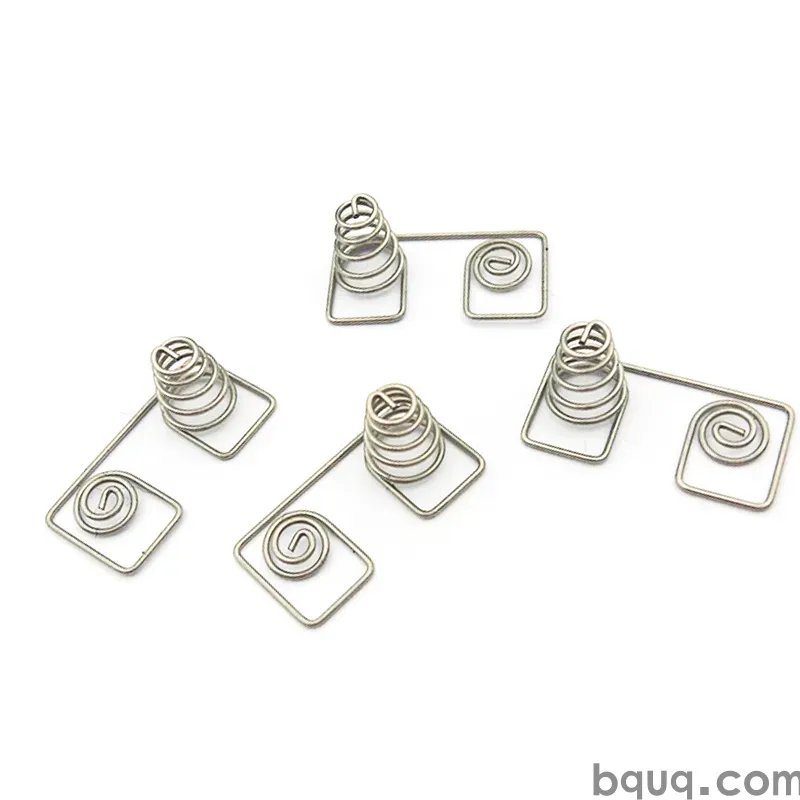
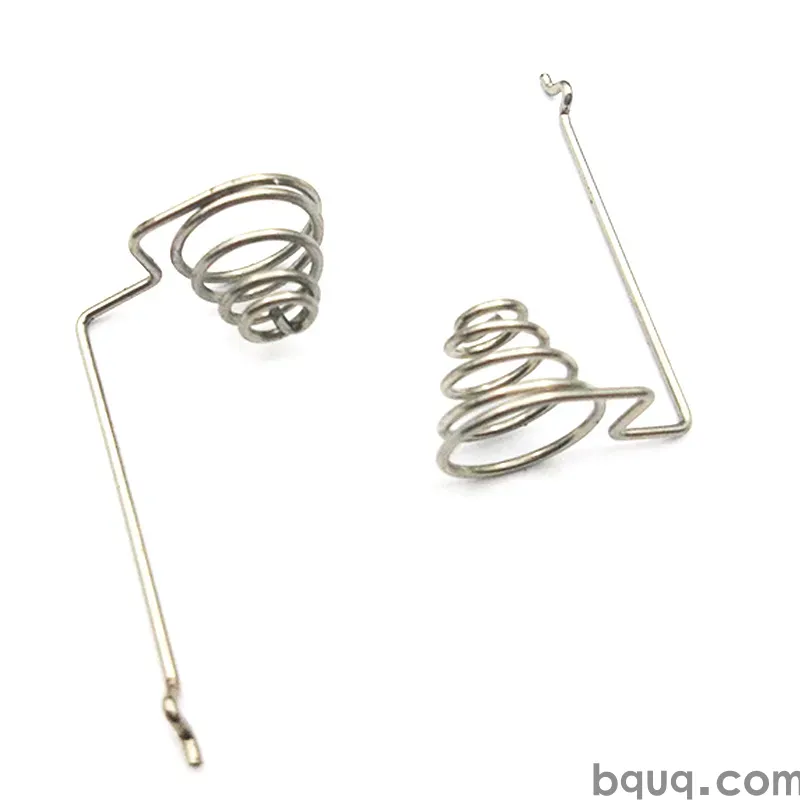
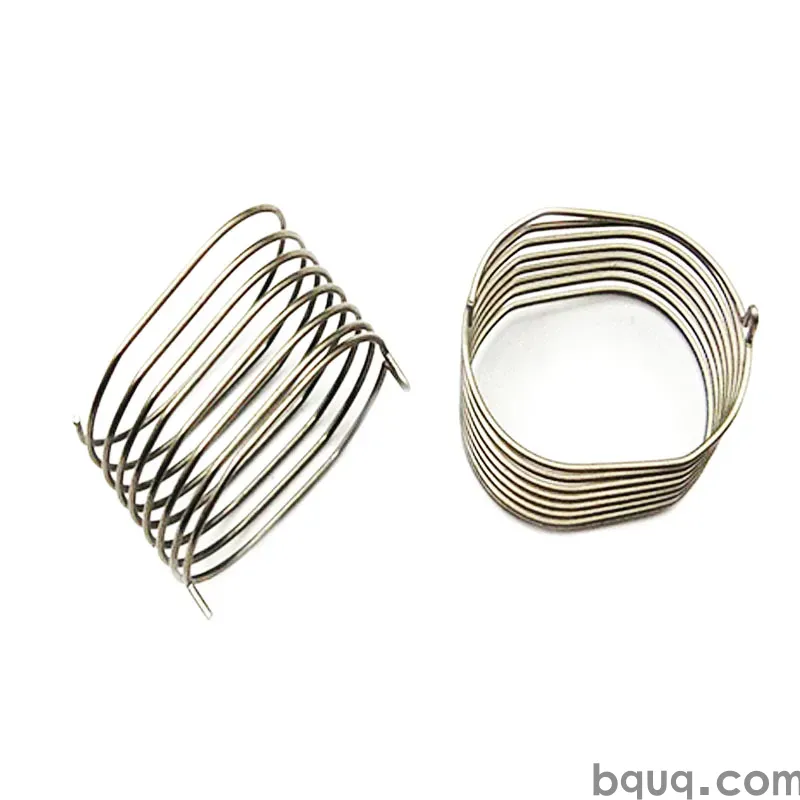
Nguyên mẫu lò xo theo yêu cầu không cần khuôn đầy đủ: máy cuộn CNC có thể sản xuất 1–100 lò xo nguyên mẫu trong vài ngày mà không tốn chi phí khuôn chuyên dụng, và việc chỉ thay đổi dây thép trên một lò xo hiện có thậm chí còn nhanh hơn. Các phương án điển hình là cuộn CNC cho hình dạng mới, tái sử dụng thư viện khuôn cho các bộ phận gần tiêu chuẩn, và thay đổi đường kính dây để điều chỉnh độ cứng — với thời gian giao nguyên mẫu từ 3–10 ngày và chi phí từ vài chục đến vài trăm đô la.
Tạo nguyên mẫu lò xo khác với tạo nguyên mẫu chi tiết gia công. Chi tiết gia công được cắt từ phôi đặc với cùng quy trình ở số lượng 1 cũng như 10.000. Lò xo được tạo hình bằng khuôn được thiết lập theo từng hình dạng, vì vậy câu hỏi về nguyên mẫu là: làm thế nào để có được lò xo thực — dây thực, độ cứng thực, tải trọng thực — trước khi bạn trả tiền cho khuôn sản xuất? Câu trả lời phụ thuộc vào mức độ khác biệt của lò xo của bạn so với các hình dạng tiêu chuẩn mà máy cuộn có thể sản xuất bằng khuôn điều chỉnh được.
Phương Án Một: Cuộn CNC Không Cần Khuôn Chuyên Dụng
Máy cuộn lò xo hiện đại là máy CNC tạo hình lò xo từ dây thép bằng khuôn lập trình được — điểm cuộn, dụng cụ bước và dao cắt di chuyển dưới sự điều khiển của máy tính. Trong phạm vi đường kính và dây thép của chúng, chúng có thể sản xuất hầu hết mọi hình dạng xoắn nén, kéo hoặc xoắn mà không cần khuôn chuyên dụng. Điều này làm cho chi tiết đầu tiên gần như không có chi phí khuôn: việc thiết lập là lập trình, không phải chế tạo khuôn. Phương án này bao phủ phần lớn các nguyên mẫu lò xo từ 0,1 mm đến khoảng 10 mm dây thép, lò xo nén dễ dàng nhất, lò xo kéo và xoắn với các dạng đầu của chúng là biến chứng chính.
| Loại lò xo | Mức độ dễ dàng với nguyên mẫu CNC | Biến chứng chính |
|---|---|---|
| Nén, đầu trơn hoặc đầu kín | Dễ | Mài đầu nếu yêu cầu đầu phẳng |
| Nén, đầu mài | Trung bình | Cần đồ gá mài dưới ~0,5 mm |
| Kéo có móc | Trung bình | Trình tự tạo móc |
| Xoắn có càng | Trung bình | Uốn càng và góc |
| Côn / bước thay đổi | Trung bình | Nhiều điểm lập trình hơn, kiểm tra đường cong |
Kết luận: đối với lò xo nén mới, cuộn CNC cho bạn các bộ phận thực gần như ngay lập tức — tiến độ được xác định bởi lập trình và các bước phủ hoặc mài, không phải bởi việc mua khuôn. Mài đầu là bước có khả năng thêm một hoặc hai ngày nhất, vì đầu mài cần đồ gá và một nguyên công thứ hai.
Phương Án Hai: Tái Sử Dụng Khuôn Hiện Có và Điều Chỉnh Dây Thép
Nếu lò xo của bạn gần giống với một lò xo mà nhà máy đã sản xuất — cùng dải đường kính, cùng kiểu đầu — phương án nhanh nhất là tái sử dụng khuôn: chạy một thiết lập hiện có và điều chỉnh đường kính dây, số vòng hoặc chiều dài tự do để đạt được độ cứng và tải trọng mới. Vì độ cứng tỷ lệ với đường kính dây mũ bốn, một thay đổi nhỏ về dây sẽ làm thay đổi độ cứng rất nhiều, và số vòng điều chỉnh nó một cách tinh tế. Phương án này có thể đưa lò xo vào tay bạn trong 3–5 ngày với chi phí thấp nhất, vì không có lập trình hoặc khuôn mới nào cả.
| Thay đổi mong muốn | Đòn bẩy | Tốc độ | Ảnh hưởng chi phí |
|---|---|---|---|
| Độ cứng cao hơn | Dây lớn hơn, ít vòng hơn | Nhanh | Chi phí dây tăng nhẹ |
| Độ cứng thấp hơn | Dây nhỏ hơn, nhiều vòng hơn | Nhanh | Chi phí dây giảm |
| Chiều dài tự do khác | Nhiều/ít vòng hơn, bước | Nhanh | Không |
| Đường kính ngoài khác | Bộ khuôn khác | Chậm hơn | Thời gian thiết lập |
| Kiểu đầu khác | Khuôn/máy mài khác | Chậm nhất | Thiết lập hoặc khuôn mới |
Kết luận: hãy cho nhà máy biết tải trọng mục tiêu ở chiều cao làm việc và không gian bao quanh, và để họ đề xuất tổ hợp dây và vòng — nhiều lò xo "theo yêu cầu" chỉ cách một thiết lập tiêu chuẩn một cỡ dây. Nguyên mẫu nhanh nhất bạn từng có là nguyên mẫu không cần khuôn mới và không cần chương trình mới. Đây cũng là cách rẻ nhất để khám phá không gian thiết kế: lấy ba biến thể độ cứng cùng một lúc và kiểm tra xem cái nào phù hợp với cơ chế.
Phương Án Ba: Khi Bạn Thực Sự Cần Khuôn
Khuôn chuyên dụng xuất hiện khi hình dạng vượt ra ngoài phạm vi điều chỉnh của máy cuộn tiêu chuẩn: mặt cắt dây bất thường, đường kính rất lớn, dạng đầu phức tạp cho lò xo kéo, hoặc các hình dạng cần khuôn dập tạo hình tùy chỉnh. Chi phí khuôn cho lò xo vẫn nhỏ so với khuôn đúc hoặc khuôn dập — thường từ vài trăm đến vài nghìn đô la — và nó hợp lý khi khối lượng đủ lớn để chi phí mỗi bộ phận quan trọng, hoặc khi hình dạng không thể được tạo trên khuôn điều chỉnh được. Quy tắc quyết định là khối lượng và hình dạng, không phải sở thích.
| Khối lượng (chiếc/năm) | Phương án khuyến nghị |
|---|---|
| 1–100 | Cuộn CNC, không cần khuôn |
| 100–1.000 | Cuộn CNC hoặc tái sử dụng khuôn |
| 1.000–10.000 | Cân nhắc khuôn nhẹ nếu hình dạng ổn định |
| 10.000+ | Khuôn chuyên dụng, thương lượng quyền sở hữu khuôn |
| Hình dạng ngoài phạm vi máy cuộn | Cần khuôn bất kể khối lượng |
Kết luận: ở khối lượng thấp, hãy trả tiền cho lò xo, không phải khuôn — cuộn CNC làm cho khuôn không cần thiết. Khi khối lượng tăng lên vài nghìn chiếc, khoản tiết kiệm mỗi bộ phận từ thiết lập chuyên dụng bắt đầu tự bù đắp; đó là thời điểm để yêu cầu nhà máy so sánh chi phí sản xuất với chi phí khuôn bằng số liệu thực tế trên hình dạng của bạn. Khi khuôn được chế tạo, hãy ghi rõ quyền sở hữu và điều khoản lưu trữ khuôn bằng văn bản — đó là hình dạng và tiền của bạn.
Những Gì Cần Gửi Để Nguyên Mẫu Đúng Ngay Lần Đầu
Một yêu cầu nguyên mẫu lò xo cần sáu điều: đường kính dây hoặc không gian bao quanh (giới hạn OD và chiều dài tự do), tải trọng ở chiều cao làm việc với dung sai, hành trình làm việc hoặc mục tiêu độ cứng, kiểu đầu (trơn, kín, mài, móc, càng), vật liệu với bất kỳ yêu cầu chống ăn mòn hoặc nhiệt độ nào, và số lượng để thử nghiệm. Thiếu các mục sẽ buộc phải giả định, và trên lò xo, các giả định ảnh hưởng đến lực — con số duy nhất bạn không thể đoán. Nếu bạn chỉ biết không gian và lực bạn cần, điều đó là đủ: một nhà máy tốt sẽ đề xuất dây, số vòng và vật liệu để đạt được điều đó.
Vòng lặp xác minh trên lò xo nguyên mẫu ngắn: đo tải trọng ở chiều cao làm việc và độ cứng trên các mẫu, so sánh với nhu cầu của cơ chế, và lặp lại số vòng hoặc dây nếu lực không đạt. Hầu hết các nguyên mẫu lò xo hội tụ trong một đến ba lần lặp vì các đòn bẩy rất trực tiếp — một cỡ dây lên hoặc xuống, vài vòng nhiều hơn hoặc ít hơn. Dự trù cho vòng lặp đó và bộ phận cuối cùng sẽ mang dung sai thay vì bất ngờ. Kiểm tra lò xo trên các mẫu là cách để đóng vòng lặp trước khi bạn cam kết với dung sai sản xuất.
BQUQ tạo nguyên mẫu lò xo theo yêu cầu theo tiêu chuẩn ISO9001 tại Dongguan: cuộn CNC cho hình dạng mới không tính phí khuôn, tái sử dụng thư viện khuôn cho các bộ phận gần tiêu chuẩn, và lịch trình nguyên mẫu 3–10 ngày tùy thuộc vào đầu và bề mặt. Gửi bản vẽ hoặc chỉ cần không gian và mục tiêu lực đến sc@bquq.com hoặc WhatsApp +86 13713157787 — báo giá sẽ được gửi lại trong vòng 12 giờ làm việc với dây, vật liệu và phương án nguyên mẫu được khuyến nghị, và dữ liệu tải trọng mẫu sẽ đi kèm với các bộ phận.
Hỏi: Nguyên mẫu lò xo theo yêu cầu có cần khuôn không?
Thường là không. Máy cuộn lò xo CNC sản xuất hầu hết các hình dạng chỉ bằng lập trình, vì vậy nguyên mẫu 1–100 chiếc không có chi phí khuôn. Khuôn chuyên dụng chỉ xuất hiện cho các hình dạng ngoài phạm vi máy cuộn hoặc khối lượng đủ lớn để biện minh.
Hỏi: Tôi có thể nhận lò xo nguyên mẫu nhanh như thế nào?
Thường là 3–10 ngày: nhanh nhất cho lò xo nén trên thiết lập hiện có, chậm hơn khi mài đầu, móc, càng xoắn hoặc hình dạng bất thường thêm nguyên công. Lập trình CNC thêm vài ngày, không phải vài tuần — không gần với thời gian khuôn đúc hoặc khuôn dập.
Hỏi: Chi phí cho một nguyên mẫu lò xo là bao nhiêu?
Từ vài chục đô la cho một lò xo nén đơn giản chạy trên thiết lập hiện có đến vài trăm cho đầu hoặc vật liệu phức tạp. Vì cuộn CNC không cần khuôn, chi phí là dây, lập trình và thời gian thiết lập — đủ nhỏ để chạy nhiều biến thể độ cứng cùng một lúc.
Hỏi: Tôi có thể tạo nguyên mẫu với đường kính dây khác với sản xuất không?
Có, và đó thường là bước đi thông minh nhất: đường kính dây điều khiển độ cứng theo mũ bốn, vì vậy thay đổi nhỏ về dây khám phá không gian độ cứng một cách rẻ tiền. Chỉ cần nhớ rằng thiết kế cuối cùng phải được xác nhận trên dây, vật liệu và quy trình sản xuất.
Hỏi: Tôi nên mong đợi bao nhiêu lần lặp?
Một đến ba. Các đòn bẩy rất trực tiếp — cỡ dây, số vòng, chiều dài tự do — và mỗi vòng nguyên mẫu cung cấp dữ liệu tải trọng đo được chỉ ra thay đổi tiếp theo. Thử nghiệm nguyên mẫu chính là nơi chi phí lặp lại thấp nhất.
Được viết bởi Đội ngũ Kỹ thuật BQUQ. BQUQ là nhà máy nguồn được chứng nhận ISO9001 tại Dongguan, Trung Quốc, vận hành các dây chuyền gia công CNC, dập kim loại, lò xo theo yêu cầu, tản nhiệt và collet dưới một mái nhà. Gửi bản vẽ đến sc@bquq.com hoặc WhatsApp +86 13713157787 để được báo giá trong vòng 12 giờ làm việc. www.bquq.com