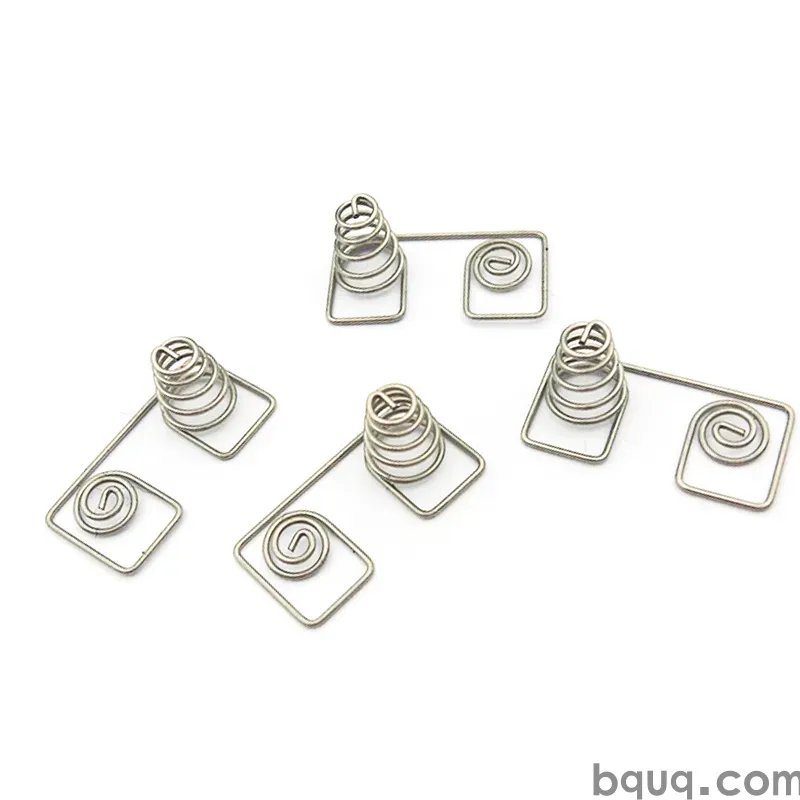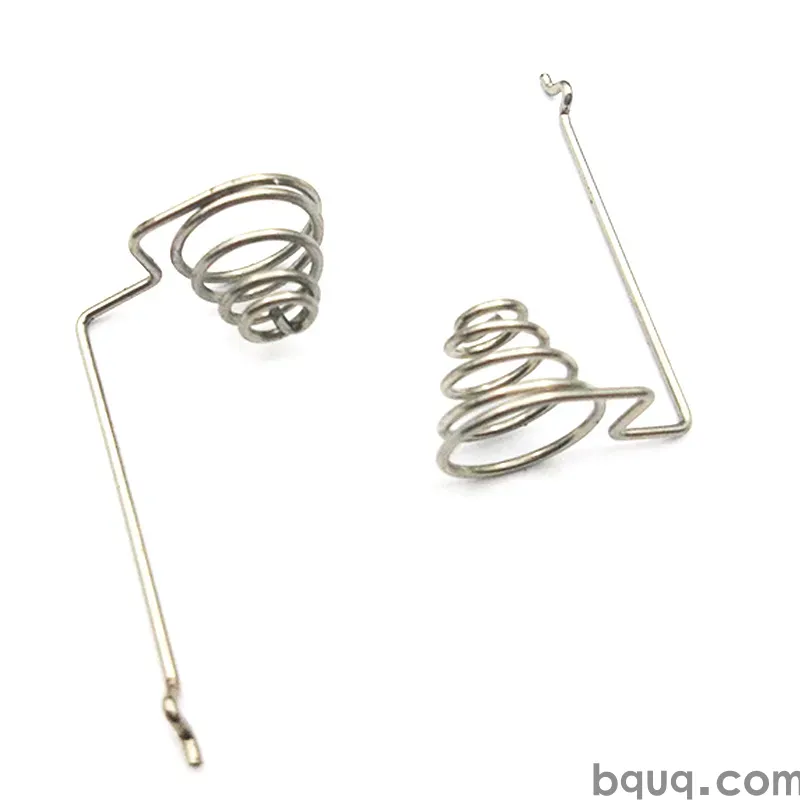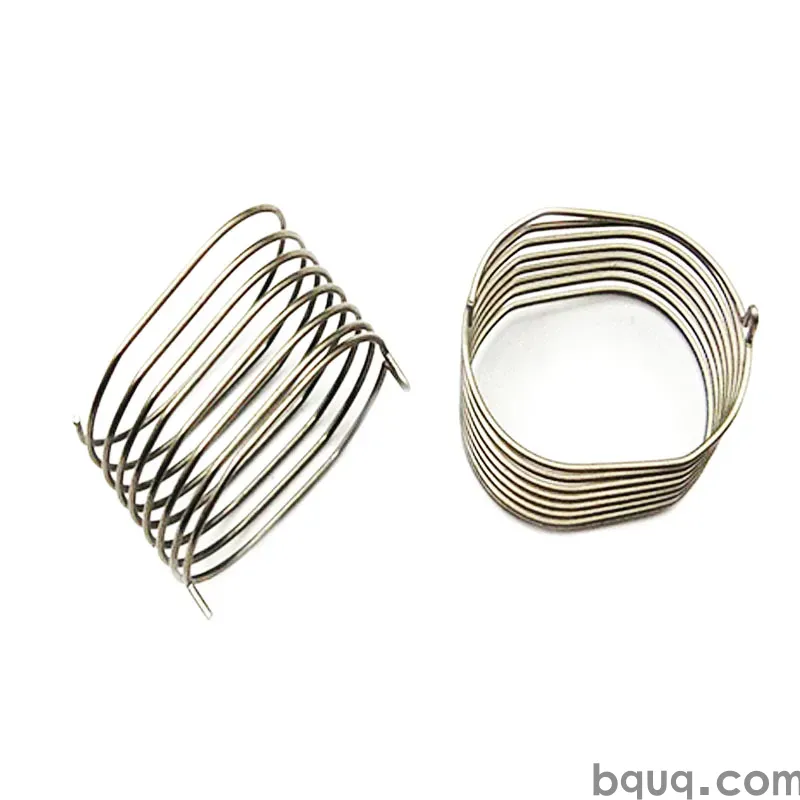
Lò xo vi mô dưới 0.5 mm dây: giới hạn thực tế về đường kính, chỉ số lò xo, dung sai và đo lường. BQUQ (ISO9001, Dongguan) sản xuất lò xo thu nhỏ.
Lò Xo Vi Mô: Giới Hạn Gia Công Thực Tế Dưới 0.5 mm Dây
Dưới 0.5 mm dây, lò xo không còn là phiên bản thu nhỏ của lò xo lớn: giới hạn sản xuất thực tế nằm trong khoảng 0.05–0.10 mm dây đối với các nhà sản xuất chuyên dụng, đường kính ngoài cuộn thực tế từ khoảng 0.3 mm trở lên, chỉ số lò xo dưới 3–4 trở nên không thể cuộn được, và các dung sai thông thường ở dây 2 mm trở nên bất khả thi. Hãy thiết kế lò xo vi mô dựa trên tính khả dụng của dây, giới hạn chỉ số lò xo và thực tế đo lường — bản vẽ trông có vẻ ổn trên giấy có thể hoàn toàn không cuộn được.
Lò xo vi mô cung cấp năng lượng cho các thiết bị y tế, công tắc vi mô, tiếp điểm anten, cảm biến áp suất và thiết bị điện tử thu nhỏ. Việc thiết kế không khó hơn thiết kế lò xo kích thước đầy đủ — nó chỉ bị chi phối bởi các giới hạn khác. Khi dây trở nên mỏng, máy cuộn lò xo, dung sai dây, dụng cụ đo lường và xử lý đều chạm phải các giới hạn vật lý, và nhà thiết kế nào biết các giới hạn đó sẽ tránh được vòng lặp tốn kém của việc vẽ, báo giá và phát hiện ra rằng chi tiết không thể chế tạo được.
Giới Hạn Gia Công Thực Tế
Giới hạn đầu tiên là bản thân dây. Dây kéo dưới khoảng 0.05 mm tồn tại nhưng đắt tiền, khó xử lý và chỉ có dung sai chặt chẽ trong các cấp độ chuyên dụng; hầu hết quá trình sản xuất lò xo vi mô chạy từ 0.1 đến 0.5 mm dây, nơi nguồn cung là bình thường. Giới hạn thứ hai là chỉ số lò xo — tỷ lệ giữa đường kính trung bình của cuộn dây và đường kính dây. Dưới chỉ số khoảng 3–4, dây không thể uốn quanh trục gá mà không bị nứt hoặc mất hình tròn; trên chỉ số khoảng 15–20, cuộn dây trở nên quá mềm dẻo đến mức nó bị oằn sang một bên và không thể giữ được hình dạng của nó.
| Thông số | Giới hạn thực tế | Dải sản xuất điển hình |
|---|---|---|
| Đường kính dây | ~0.05 mm tối thiểu | 0.1–0.5 mm là dải thoải mái |
| Đường kính ngoài cuộn | ~0.3 mm tối thiểu | 0.5–5 mm phổ biến |
| Chỉ số lò xo (D/d) | 3–4 tối thiểu | 5–12 lý tưởng |
| Chiều dài tự do | ~1 mm tối thiểu | 1–30 mm |
| Số vòng | 2–3 tối thiểu | 3–10 điển hình |
| Đầu kín/mài | Mài không thực tế dưới ~0.3 mm dây | Đầu hở hoặc kín không mài dưới mức đó |
Kết luận chính: dưới khoảng 0.3 mm dây, việc mài đầu lò xo không còn thực tế — bạn không thể giữ một sợi dây 0.15 mm trong đồ gá mài — vì vậy hãy chỉ định đầu hở hoặc đầu kín không mài, và chấp nhận độ phân tán tải trọng đi kèm với đầu không mài. Nếu thiết kế của bạn cần đầu kín phẳng, dây phải đủ dày để mài, điều này làm cho toàn bộ lò xo lớn hơn.
Dung Sai Co Lại Khác Nhau Dưới 0.5 mm
Trực giác về dung sai từ lò xo lớn hơn gây hiểu lầm ở quy mô vi mô. Dung sai đường kính dây là một phần trăm của dây, vì vậy dải ±1% trên dây 0.2 mm chỉ là ±0.002 mm — chặt hơn hầu hết các máy cuộn có thể giữ được bước cuộn. Dung sai tải trọng, phụ thuộc vào đường kính dây lũy thừa bốn trong công thức độ cứng, khuếch đại bất kỳ biến thể dây nào một cách đáng kể: biến thể dây 5% có thể làm thay đổi độ cứng từ 20% trở lên. Trong khi đó, dung sai chiều dài tự do dễ dàng ở chiều dài 10 mm trở nên thô một cách tương ứng ở 3 mm.
| Kích thước | Ở dây 2.0 mm (điển hình) | Ở dây 0.2 mm (vi mô) | Ghi chú thực tế |
|---|---|---|---|
| Dung sai đường kính dây | ±0.01 mm điển hình | ±0.002 mm là cao cấp | Giới hạn của nhà cung cấp dây chi phối |
| Tải trọng ở chiều cao làm việc | ±7–10% | ±10–15% hoặc chọn lọc | Biến thể dây khuếch đại bởi lũy thừa bậc 4 |
| Chiều dài tự do | ±2–4% | ±3–6% | Đầu không mài phân tán nhiều hơn |
| Kiểm soát OD | ±1–2% | ±2–3% | Độ ổn định của máy cuộn |
| Kiểm tra lực | Thông thường | Cần máy đo lực thấp | Dưới ~1 N, đồ gá kiểm tra gây nhiễu |
Kết luận chính: trên lò xo vi mô, hãy chỉ định một dải tải trọng mà bạn thực sự có thể xác minh và sản xuất — thường là ±10–15% trừ khi bạn có kế hoạch chọn lọc lò xo vào các thùng — và không yêu cầu chiều dài tự do chặt hơn quy trình có thể giữ. Yêu cầu có giá trị nhất trên bản vẽ là lực ở chiều cao làm việc với một khoảng thời gian thực tế, giống như trên lò xo lớn hơn nhưng với khoảng thời gian được nới rộng vì lý do vật lý chứ không phải sự cẩu thả.
Vật Liệu và Xử Lý: Lò Xo Vi Mô Được Làm Từ Gì
Các họ hợp kim tương tự xuất hiện ở quy mô vi mô, với một điểm khác biệt: khả năng kéo dây và chất lượng bề mặt quan trọng hơn tên hợp kim. Một vết xước bề mặt không thể nhìn thấy trên dây 2 mm là một phần lớn của mặt cắt ngang trên dây 0.15 mm và sẽ nhanh chóng bắt đầu vết nứt do mỏi. Do đó, lò xo vi mô ưa chuộng các vật liệu kéo sạch và chống ăn mòn, vì việc mạ dây mỏng là khó khăn và làm tăng kích thước.
| Vật liệu | Sử dụng lò xo vi mô | Ghi chú |
|---|---|---|
| Thép không gỉ 302/304 | Phổ biến nhất | An toàn chống ăn mòn, kéo tốt, không cần mạ |
| Dây đàn piano | Rẻ nhất, sản phẩm khô | Phải được bảo vệ khỏi ăn mòn |
| Đồng berili | Tiếp điểm điện, chu kỳ cao | Độ dẫn điện cộng với độ cứng lò xo |
| MP35N / Elgiloy | Y tế, ăn mòn, nhiệt độ cao | Chi phí cao cấp, hiệu suất cao cấp |
| Pt-Ir và hợp kim quý | Y tế cấy ghép | Chi phí cực cao, chỉ chuyên gia |
Kết luận chính: đối với hầu hết các sản phẩm lò xo vi mô, thép không gỉ 302 là lựa chọn mặc định vì nó loại bỏ vấn đề mạ khó giải quyết nhất ở quy mô nhỏ — một sợi dây 0.15 mm với lớp mạ 3 µm có tỷ lệ mạ đáng kể và lớp phủ bị nứt ở nơi dây uốn cong. Khi độ dẫn điện quan trọng, đồng berili hoặc thép không gỉ phủ vàng là giải pháp thông thường; lò xo tiếp điểm và điện tử tuân theo logic này ở mọi kích thước. Khả năng chống ăn mòn không phải là điều tốt để có trên các bộ phận vi mô — một vết rỗ loại bỏ 20% mặt cắt của dây mỏng sẽ loại bỏ 20% độ bền của nó.
Kiểm Tra và Đo Lường: Chi Phí Ẩn
Đo một lò xo vi mô khó hơn làm ra nó. Lực dưới 1 N cần một máy đo tải trọng thấp với đồ gá tuân thủ, vì bản thân dụng cụ kiểm tra có thể làm biến dạng lò xo. Các kích thước dưới vài milimét di chuyển ra khỏi phạm vi thước kẹp vào phép đo quang học — máy chiếu biên dạng hoặc hệ thống thị giác — và chất lượng bề mặt dây cần kính hiển vi để kiểm tra. Mỗi bước đo lường tốn thời gian, đó là lý do tại sao giá mỗi chi tiết lò xo vi mô cao hơn nhiều so với các sản phẩm tương đương kích thước đầy đủ ngay cả khi sản xuất hàng loạt.
| Kiểm tra | Dụng cụ | Thách thức điển hình |
|---|---|---|
| OD, chiều dài, bước | Máy chiếu quang học / thị giác | Cố định mà không làm biến dạng |
| Lực ở chiều cao | Máy đo lực thấp (loại 0.01 N) | Ma sát đồ gá lấn át số đọc |
| Bề mặt dây | Kiểm tra bằng kính hiển vi | Dựa trên mẫu, không phải 100% |
| Độ cứng | Tính từ đường cong lực | Hành trình ngắn = ít điểm dữ liệu |
| Số vòng / đầu | Thị giác hoặc thủ công | Nhanh nhưng phụ thuộc vào người vận hành |
Kết luận chính: hãy tính chi phí kiểm tra vào giá mỗi đơn vị và tiến độ. Hỏi nhà máy cách kiểm tra lực ở mức tải của bộ phận của bạn và cách đo OD; một nhà cung cấp không thể trả lời bằng một công cụ và quy trình cụ thể thì không được trang bị cho lò xo vi mô. Một quy trình kiểm tra lò xo được xây dựng dựa trên các dụng cụ phù hợp là điều phân biệt một nhà cung cấp lò xo vi mô với một xưởng chỉ biết nói đồng ý.
BQUQ sản xuất lò xo vi mô và thu nhỏ theo tiêu chuẩn ISO9001 tại Dongguan — được cuộn trên các máy được thiết lập cho dây mỏng, với đo lường quang học và kiểm tra lực thấp cho các bộ phận nhỏ, từ lò xo nén đến lò xo xoắn tinh xảo. Gửi bản vẽ với đường kính dây, OD, tải trọng và mục tiêu tuổi thọ đến sc@bquq.com hoặc WhatsApp +86 13713157787; nếu một kích thước nằm ngoài giới hạn thực tế, báo giá sẽ cho bạn biết điều gì có thể cuộn được và điều gì cần thiết kế lại — trong vòng 12 giờ làm việc.
Hỏi: Lò xo nhỏ nhất mà một nhà máy có thể sản xuất thực tế là gì?
Sản xuất chuyên dụng chạy từ khoảng 0.05–0.10 mm dây, nhưng dải thực tế cho nguồn cung và dung sai bình thường là 0.1–0.5 mm dây với OD cuộn từ khoảng 0.3 mm. Dưới mức đó, hãy mong đợi giá chuyên dụng và thời gian giao hàng dài.
Hỏi: Tại sao lò xo vi mô của tôi không thể có đầu kín được mài?
Dưới khoảng 0.3 mm dây, việc mài phẳng đầu là không thực tế — dây không thể được cố định mà không bị hư hại. Hãy chỉ định đầu kín không mài hoặc đầu hở, và tính đến hành vi tải trọng hơi khác ở các đầu.
Hỏi: Tôi có thể giữ dung sai nào trên lò xo dây 0.2 mm?
Tải trọng ở chiều cao làm việc thường là ±10–15% trừ khi bạn chọn lọc các bộ phận; dung sai dây và độ nhạy độ cứng lũy thừa bậc bốn ăn mòn độ chính xác. Hãy yêu cầu dải lực chức năng một cách thực tế và đo bằng máy đo lực thấp.
Hỏi: Lò xo vi mô có cần mạ không?
Chỉ khi ứng dụng yêu cầu. Dưới 0.3 mm dây, lớp mạ thêm một phần đáng kể của mặt cắt và có xu hướng nứt ở các chỗ uốn. Thép không gỉ 302 loại bỏ vấn đề ăn mòn mà không cần mạ; chỉ sử dụng thép carbon mạ trong các sản phẩm khô, kín.
Hỏi: Tại sao lò xo vi mô đắt tiền mỗi chiếc?
Dây mỏng tốn nhiều chi phí hơn, cuộn chậm hơn và dễ bị loại bỏ hơn, và mọi kích thước cần đo lường quang học hoặc lực thấp mà thước kẹp không thể làm được. Kiểm tra thường tốn kém hơn cuộn ở quy mô này — giá phản ánh phép đo, không phải lợi nhuận.
Được biên soạn bởi Đội ngũ Kỹ thuật BQUQ. BQUQ là nhà máy nguồn được chứng nhận ISO9001 tại Dongguan, Trung Quốc, vận hành các dây chuyền gia công CNC, dập kim loại, lò xo theo yêu cầu, tản nhiệt và collet dưới một mái nhà. Gửi bản vẽ đến sc@bquq.com hoặc WhatsApp +86 13713157787 để được báo giá trong vòng 12 giờ làm việc. www.bquq.com