Bảo trì collet: vệ sinh côn định vị mỗi lần thay, kiểm tra lỗ, rãnh và độ đảo theo lịch trình, thay thế theo xu hướng. BQUQ gửi dữ liệu kiểm tra kèm theo mỗi lô hàng.
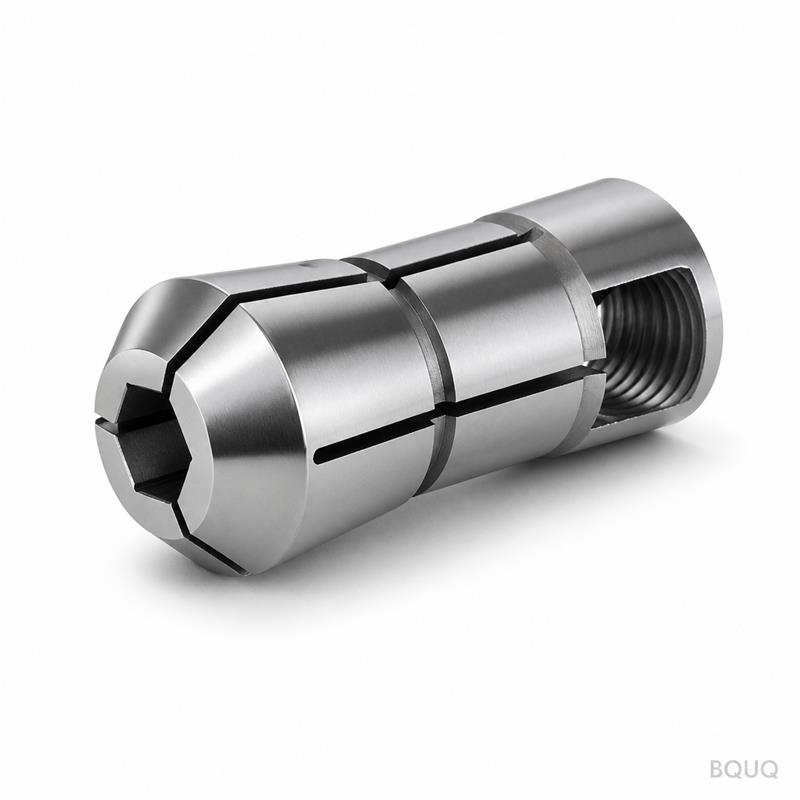
Bảo trì Collet: Vệ Sinh, Kiểm Tra và Biết Khi Nào Cần Thay Thế
Bảo trì collet là một kỷ luật theo lịch trình, không phải là sửa chữa khẩn cấp: vệ sinh côn định vị mỗi ca hoặc hai ca, kiểm tra lỗ và chân rãnh theo lịch cố định, đo độ đảo trên trục chuẩn tại mỗi lần gá đặt, và thay collet khi mòn lỗ, mòn côn hoặc nứt rãnh bắt đầu làm sai lệch dung sai chi tiết của bạn — không bao giờ chờ đến lúc phế phẩm để biết sự cố.
Collet kẹp là một chi tiết tiêu hao chính xác hoạt động trong môi trường bẩn nhất phân xưởng. Nó kẹp phôi thanh phủ đầy dung dịch trơn nguội và phoi mịn, uốn hàng nghìn lần mỗi ngày, và mòn ở nơi khó thấy nhất: bên trong lỗ và tại côn định vị. Vì sự mòn diễn ra từ từ, chế độ hư hỏng không phải là va đập — mà là sự trôi dạt chậm của đường kính chi tiết và độ đảo, âm thầm làm giảm năng suất. Chương trình bảo trì phát hiện sự trôi dạt đó thì rẻ; phế phẩm mà nó ngăn ngừa thì không.
Vệ Sinh: Giải Pháp Miễn Phí Mà Nhiều Xưởng Bỏ Qua
Hầu hết các vấn đề về độ đảo của collet là vấn đề bụi bẩn. Một mảnh phoi hoặc vết bám vật liệu giữa collet và côn định vị của nó làm collet lệch tâm nhiều hơn toàn bộ cấp độ đảo của nó. Một hạt phoi dưới côn có thể gây ra độ đảo lớn hơn một collet đã mòn, và việc loại bỏ nó không tốn kém gì.
Vệ sinh côn định vị và côn của collet tại mỗi lần thay collet và theo lịch trình cố định trong quá trình chạy liên tục — tối thiểu hàng ngày đối với máy tự động cấp phôi thanh. Sử dụng vải không xơ và dung môi sạch; không bao giờ dùng bàn chải sắt để chải bề mặt côn đã mài, không bao giờ dùng đá mài mòn trên lỗ, và không bao giờ dùng giũa để "sửa" một vết trên collet. Lỗ và côn là các bề mặt được mài chính xác đến micromet; việc vệ sinh quá mạnh tay tự nó là một cơ chế gây mòn.
| Công việc vệ sinh | Tần suất (điển hình) | Lý do |
|---|---|---|
| Côn định vị và mũi mâm cặp | Mỗi lần thay collet | Bụi bẩn ở đây làm tăng độ đảo ngay lập tức |
| Côn và lỗ collet | Hàng ngày khi sử dụng liên tục | Cặn dung dịch trơn nguội khô thành bụi mài |
| Rãnh và chân rãnh | Hàng tuần | Phoi kẹt chặn sự đóng kín |
| Kiểm tra collet toàn diện | Theo lịch bảo trì | Phát hiện mòn trước khi tạo phế phẩm |
Điểm mấu chốt là tần suất vệ sinh nên theo lượng phoi: công việc gia công thanh đồng thau hoặc nhôm cần vệ sinh ít mạnh hơn thép không gỉ, và máy cắt khô cần quy trình khác với máy phun dung dịch trơn nguội.
Kiểm Tra: Cần Tìm Gì và Cách Kiểm Tra
Kiểm tra là sự kết hợp kiểm tra trực quan và kiểm tra đo lường. Về mặt trực quan, kiểm tra lỗ xem có vết xước, hiện tượng dính kim loại hoặc một vòng sáng bóng tại vùng kẹp báo hiệu lỗ đã mòn vượt quá khe hở làm việc; nhìn vào chân rãnh dưới kính phóng đại để tìm các vết nứt dạng tóc tiền thân của gãy ngón kẹp; kiểm tra côn xem có vết lõm hoặc vết dính kim loại do việc định vị lặp đi lặp lại dưới tải.
Kiểm tra đo lường là đo độ đảo trên trục chuẩn. Lắp collet, đưa vào một trục chuẩn đã mài có kích thước lỗ phù hợp, và đọc tổng độ đảo chỉ thị (TIR) gần mũi kẹp. Giữ một biên bản: một collet đọc 0.004 mm khi lắp đặt và đọc 0.011 mm sáu tháng sau đó có một câu chuyện mòn để kể ngay cả khi nó vẫn nằm trong giới hạn chấp nhận rộng. Xu hướng, không phải một lần đọc đơn lẻ, mới là tín hiệu.
| Hạng mục kiểm tra | Phương pháp | Ngưỡng thay thế (điển hình) |
|---|---|---|
| Mòn lỗ | Trực quan + xu hướng đường kính chi tiết | Kích thước hoàn thiện trôi dạt về phía giới hạn |
| Nứt rãnh | Trực quan phóng đại tại chân rãnh | Bất kỳ vết nứt dạng tóc nào |
| Mòn/dính kim loại trên côn | Trực quan trên bề mặt định vị | Vết dính kim loại hoặc thay đổi chiều sâu định vị |
| Độ đảo | Đồng hồ so trên trục chuẩn đã mài | TIR vượt cấp độ khoảng 2 lần |
| Trượt kẹp | Kiểm tra mô-men/lực kéo ở lực kéo định mức | Phôi xoay hoặc bị kéo ra dưới tải |
Các ngưỡng điển hình chỉ mang tính hướng dẫn: một xưởng giữ dung sai ±0.01 mm sẽ thay collet sớm hơn xưởng gia công ±0.05 mm. Kỷ luật quan trọng là ghi lại các ngưỡng này và kiểm tra theo lịch trình.
Nhịp Điệu Kiểm Tra Theo Lịch Trình
Việc chăm sóc collet phòng ngừa chạy theo ba đồng hồ. Đồng hồ gá đặt: mỗi lần lắp collet, vệ sinh nó và kiểm tra độ đảo trên trục chuẩn trước khi cắt chi tiết đầu tiên. Đồng hồ ca làm việc: vệ sinh hàng ngày, kiểm tra rãnh hàng tuần, và theo dõi đường kính chi tiết. Đồng hồ lịch: kiểm tra toàn diện — đo lỗ, theo dõi xu hướng độ đảo, kiểm tra vết nứt — hàng tháng cho sản xuất liên tục, hàng quý cho tải nhẹ hơn.
Giữa các đồng hồ đó, hãy để chi tiết lên tiếng. Xu hướng đường kính là thiết bị theo dõi sức khỏe collet nhạy nhất bạn có, vì mòn lỗ biểu hiện như kích thước hoàn thiện từ từ dịch chuyển trước khi có bất kỳ dấu hiệu trực quan nào. Một xưởng vẽ biểu đồ dữ liệu đường kính SPC sẽ phát hiện collet sắp hỏng sớm hơn hai tuần so với xưởng chỉ phản ứng khi chi tiết vượt dung sai.
Biết Khi Nào Cần Thay Thế: Tính Kinh Tế
Một collet đáng được thay thế khi sự đóng góp của nó vào sai số chi tiết vượt quá phần chia của nó trong ngân sách dung sai — không phải khi nó ngừng hoạt động. Chạy một collet mòn để tiết kiệm một khoản chi phí mua nhỏ là kinh tế sai lầm: chi phí thể hiện ở việc làm lại, phế phẩm, và thời gian máy dành để truy tìm một vấn đề đã được chẩn đoán từ nhiều tháng trước bởi xu hướng độ đảo.
Thay thế ngay lập tức, không cần tranh cãi, khi bất kỳ vết nứt rãnh nào xuất hiện — một ngón kẹp gãy ở tốc độ trục chính là một sự kiện hư hỏng máy, không phải vấn đề chất lượng. Thay thế khi độ đảo trên trục chuẩn đã tăng gấp đôi so với số đọc khi lắp đặt hoặc vượt quá cấp độ mà chi tiết của bạn yêu cầu. Thay thế khi chi tiết trượt dưới lực kéo bình thường. Và thay thế theo bộ khớp nhau khi ứng dụng yêu cầu — một mâm cặp chạy hai collet xen kẽ không nên trộn một collet mới với một collet mòn nếu cả hai cùng cấp cho một dung sai.
| Điều kiện | Hành động |
|---|---|
| Nứt chân rãnh | Thay thế ngay lập tức (an toàn) |
| Độ đảo tăng gấp đôi so với khi lắp | Thay thế hoặc hạ cấp |
| Trượt kẹp ở lực kéo định mức | Thay thế |
| Xu hướng đường kính chi tiết trôi dạt | Điều tra mòn lỗ; thay thế nếu xác nhận |
| Dính kim loại trên côn | Thay thế; tìm nguyên nhân định vị |
Lưu Trữ và Xử Lý
Collet là các chi tiết chính xác đã mài bị ném vào ngăn kéo — những dụng cụ chính xác ít được bảo vệ nhất trong nhiều phân xưởng. Lưu trữ chúng trong giá đỡ hoặc hộp có nhãn, được bảo vệ khỏi nhau: hai collet va vào nhau trong ngăn kéo thép sẽ làm hỏng chính các lỗ và côn mà bạn đang cố bảo vệ. Giữ các bề mặt định vị sạch sẽ và bôi dầu nhẹ chống gỉ trong khí hậu ẩm; không bao giờ để collet kẹp trên một thanh phôi trong nhiều tuần, vì các ngón kẹp có thể bị biến dạng dẻo ở vị trí kẹp.
Đánh dấu hoặc theo dõi collet theo kích thước và cấp độ để một collet mòn hoặc nghi ngờ không thể bị nhầm lẫn với một collet tốt. Một số xưởng sơn một vòng hoặc khắc một mã ID trên mặt sau; dù phương pháp nào, một collet có lịch sử mòn không rõ ràng nên được kiểm tra lại như một collet mới trước khi đưa vào công việc yêu cầu dung sai nghiêm ngặt.
Xây Dựng Thói Quen Vào Sản Xuất
Chương trình bảo trì rẻ nhất là chương trình gắn với các quy trình hiện có: vệ sinh và kiểm tra độ đảo tại mỗi lần gá đặt (mất hai phút khi đồng hồ so đã có sẵn trong tay), vẽ biểu đồ đường kính chi tiết (hệ thống SPC đã chạy sẵn), và lên lịch kiểm tra toàn diện với cùng tần suất như các công việc bảo trì máy khác. Hướng dẫn lắp đặt mâm cặp collet của chúng tôi bao gồm các kiểm tra tại thời điểm gá đặt, và logic ngân sách độ đảo trong giải thích độ đảo collet cho bạn biết ngưỡng thay thế của bạn phải chặt chẽ đến mức nào cho các dung sai bạn đang giữ.
Khi một collet thực sự mòn, hãy thay thế bằng cùng cấp độ bạn đã bắt đầu — và kiểm tra chứng nhận của collet mới khi nhận hàng. BQUQ gia công collet kẹp cho máy tiện tự động thuộc các dòng 36/46/52/60/630/643 từ hợp kim đã tôi cứng và thép lò xo, đồng thời gửi dữ liệu kiểm tra độ cứng và độ đảo kèm theo mỗi lô hàng, để collet thay thế bắt đầu vòng đời với một con số đã biết. Xem dòng collet máy tiện tự động và mâm cặp collet kiểu Thụy Sĩ và 2J, và gửi thông tin chi tiết máy của bạn đến sc@bquq.com khi bạn cần báo giá trong vòng 12 giờ làm việc.
Câu Hỏi Thường Gặp
Hỏi: Tôi nên vệ sinh collet bao lâu một lần?
Đáp: Vệ sinh côn định vị tại mỗi lần thay collet và vệ sinh lỗ và côn hàng ngày trong công việc cấp phôi thanh liên tục. Phoi và dung dịch trơn nguội khô là nguyên nhân số một gây ra độ đảo trông giống như mòn — vệ sinh là giải pháp miễn phí.
Hỏi: Dấu hiệu đáng tin cậy nhất cho thấy collet đã mòn là gì?
Đáp: Xu hướng đường kính chi tiết của bạn và số đọc độ đảo trên trục chuẩn đã mài. Khi TIR đã tăng gấp đôi so với số đọc khi lắp đặt, hoặc kích thước hoàn thiện tiếp tục trôi dạt, collet đang nói với bạn rằng nó đã hết tuổi thọ — hãy thay thế trước khi nó tạo ra phế phẩm.
Hỏi: Một collet bị nứt có thể sửa chữa được không?
Đáp: Không. Một vết nứt ở chân rãnh là hư hỏng do mỏi và chi tiết đó đã hết hạn; việc mài hoặc hàn nó lại chỉ tạo ra một khía mới. Thay thế ngay lập tức — một ngón kẹp gãy ở tốc độ cao có thể làm hỏng máy.
Hỏi: Một collet nên kéo dài bao lâu?
Đáp: Điều đó phụ thuộc vào tải: vật liệu phôi, tốc độ chu kỳ, độ sạch sẽ và dung sai bạn giữ đều quyết định tuổi thọ, từ vài tuần trong công việc thép không gỉ mài mòn đến vài năm trong công việc đồng thau nhẹ. Theo dõi độ đảo và đường kính, và thay thế theo xu hướng, không phải theo số giờ cố định.
Hỏi: Có an toàn khi vệ sinh collet bằng đá mài mòn không?
Đáp: Không. Lỗ và côn là các bề mặt được mài với hình dạng chính xác đến micromet; bất kỳ chất mài mòn nào cũng loại bỏ bề mặt bạn đang cố gìn giữ. Sử dụng dung môi và vải không xơ, và xử lý các bề mặt đã mài như các bề mặt chính xác mà chúng vốn có.
Được biên soạn bởi Đội ngũ Kỹ thuật BQUQ. BQUQ là nhà máy nguồn đạt chứng nhận ISO9001 tại Dongguan, Trung Quốc, vận hành các dây chuyền gia công CNC, dập kim loại, lò xo theo yêu cầu, tản nhiệt và collet dưới một mái nhà. Gửi bản vẽ đến sc@bquq.com hoặc WhatsApp +86 13713157787 để được báo giá trong vòng 12 giờ làm việc. www.bquq.com